Vidney

AI Image Generator

Nano Banana 2.1

Google's new Flash image model: the words come back spelled right, and the face survives the next edit.

Vidney Workbench

22 models
0/2000
Required: 3 credits

Output

Sample

What Nano Banana 2.1 does well

01

Six pieces of type, all spelled right

A screen-printed night market poster in navy, orange and cream: a headline, a line of opening hours, three stall signs and an address along the foot. Every word appears once, spelled as written, and each sign hangs over its own stall beside the canal.
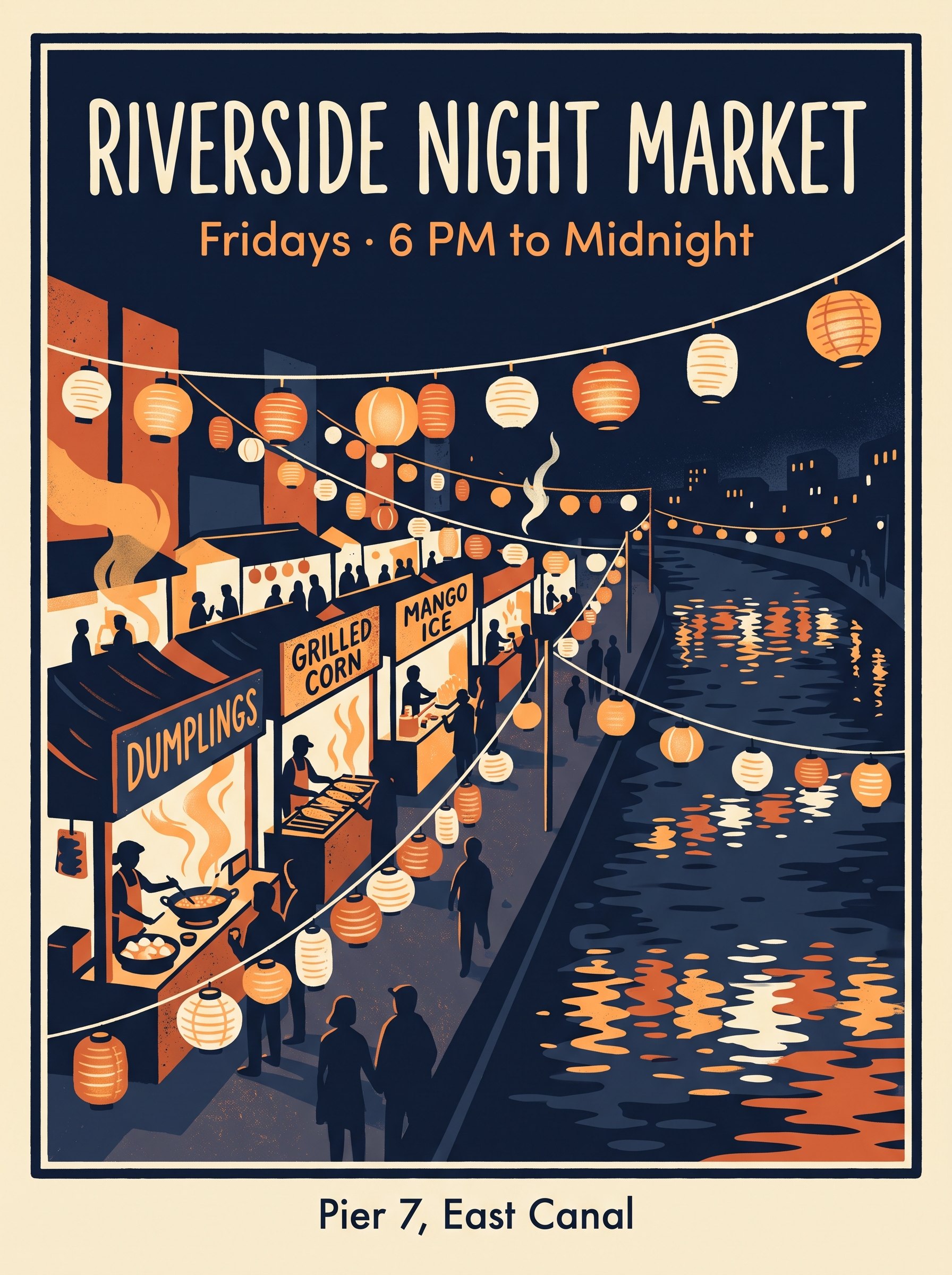
Six pieces of type, all spelled right: A portrait poster for a riverside night market, flat screen-printed illustration in deep navy, warm orange and cream. Strings of paper lanterns hang over a row of food stalls along a canal, steam rising from woks, reflections rippling in the water. Render this headline exactly once in large cream condensed lettering across the top: "RIVERSIDE NIGHT MARKET". Directly below it, in smaller orange lettering: "Fridays · 6 PM to Midnight". Three small hand-painted stall signs in the scene read "DUMPLINGS", "GRILLED CORN" and "MANGO ICE". Along the bottom edge, in small clean sans-serif: "Pier 7, East Canal". Keep every word crisp and evenly spaced with generous margins. No other text, no logos, no watermark.
Settings
  • Text to image
  • 2K
  • 3:4
Prompt

A portrait poster for a riverside night market, flat screen-printed illustration in deep navy, warm orange and cream. Strings of paper lanterns hang over a row of food stalls along a canal, steam rising from woks, reflections rippling in the water. Render this headline exactly once in large cream condensed lettering across the top: "RIVERSIDE NIGHT MARKET". Directly below it, in smaller orange lettering: "Fridays · 6 PM to Midnight". Three small hand-painted stall signs in the scene read "DUMPLINGS", "GRILLED CORN" and "MANGO ICE". Along the bottom edge, in small clean sans-serif: "Pier 7, East Canal". Keep every word crisp and evenly spaced with generous margins. No other text, no logos, no watermark.

02

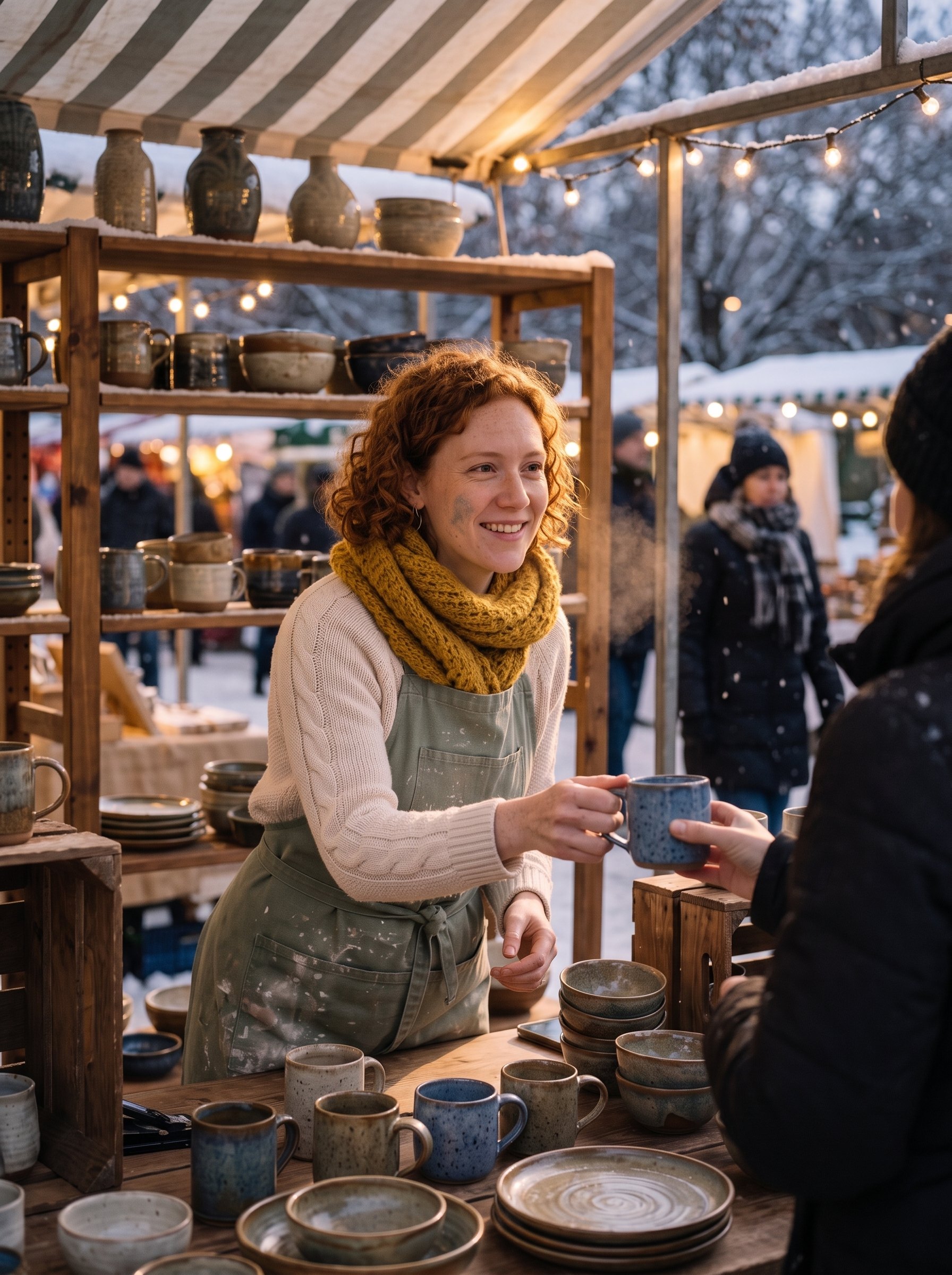
Third turn, same potter

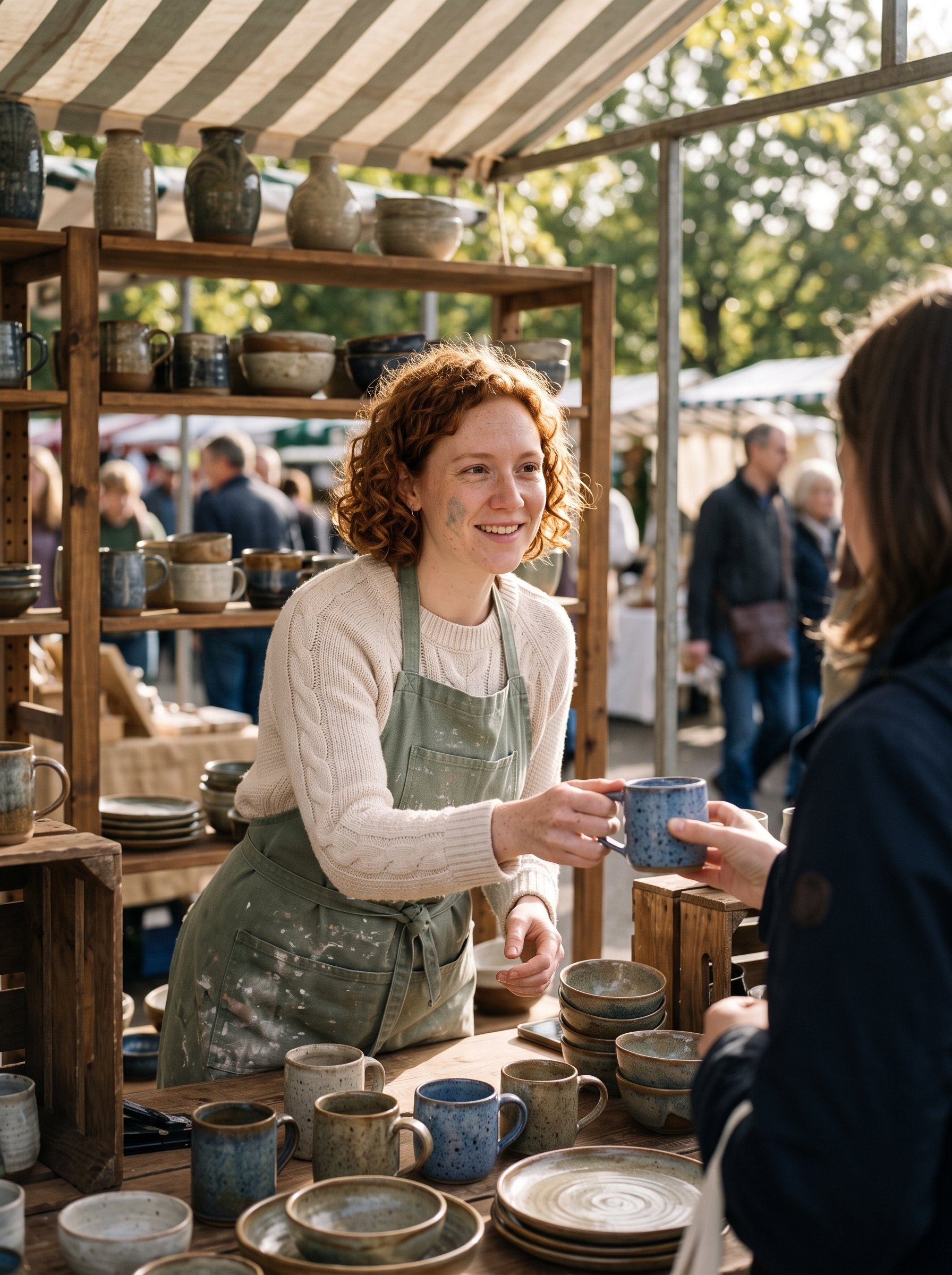
Turn one drew her in a studio, turn two moved her behind a market stall, turn three brought snow, string lights and a mustard scarf. The curls, freckles, hoop earring and clay smudge never drift, and the stall keeps every shelf where it was.

Third turn, same potter: Keep the same woman, her face, copper-red curls, freckles, silver hoop earring and sage green apron unchanged, and keep the market stall and pottery shelves where they are. Change the season to a snowy December evening: she now wears a chunky mustard scarf over the apron, warm string lights hang along the canopy, snow settles on the stall roof and the shelves, her breath shows in the cold air. Photorealistic, no text.
Input
  • Third turn, same potter: Source imageSource image
Settings
  • Image to image
  • 2K
  • 3:4
Prompt

Keep the same woman, her face, copper-red curls, freckles, silver hoop earring and sage green apron unchanged, and keep the market stall and pottery shelves where they are. Change the season to a snowy December evening: she now wears a chunky mustard scarf over the apron, warm string lights hang along the canopy, snow settles on the stall roof and the shelves, her breath shows in the cold air. Photorealistic, no text.

03

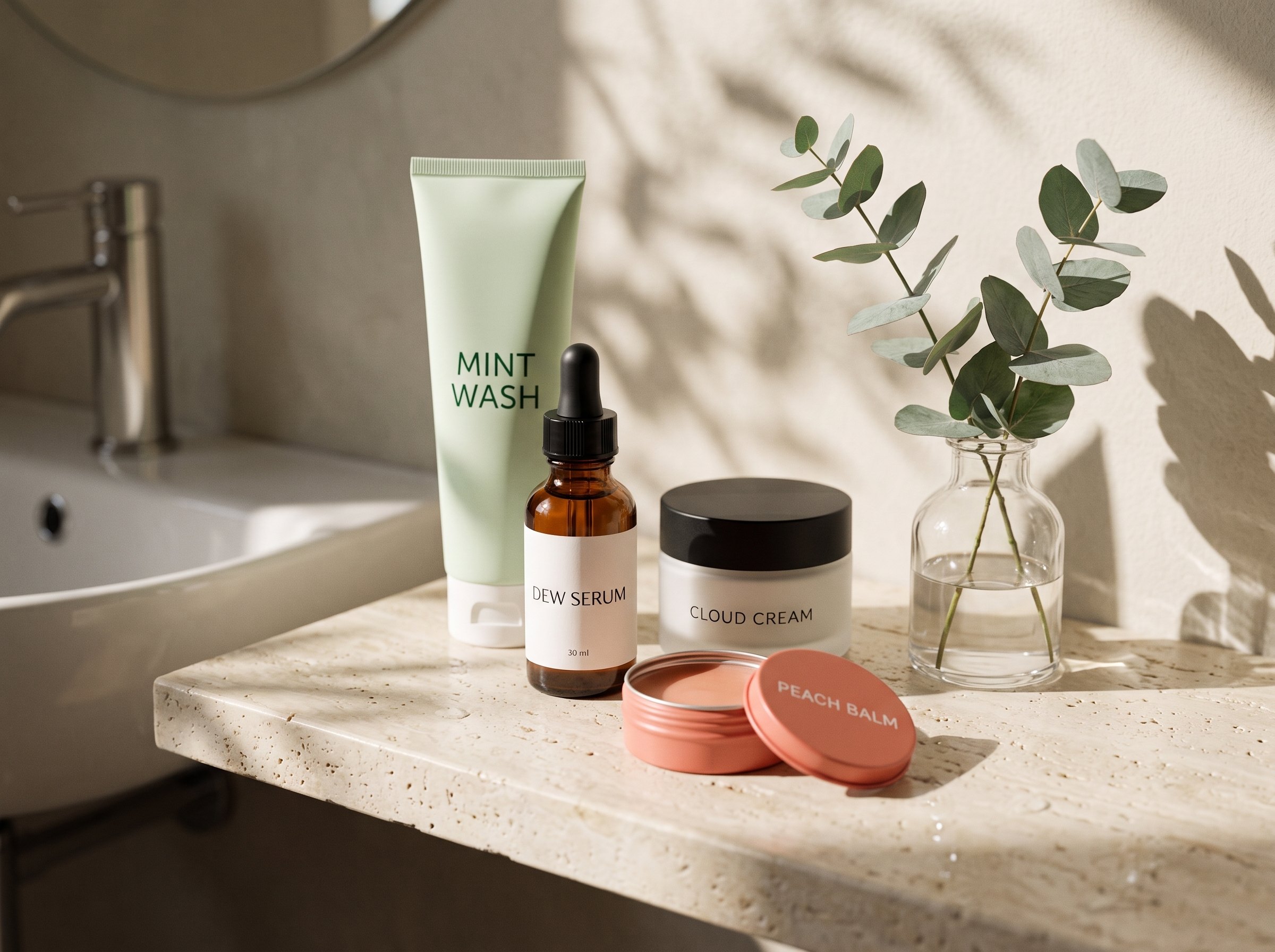
Four products, one shelf, every label intact

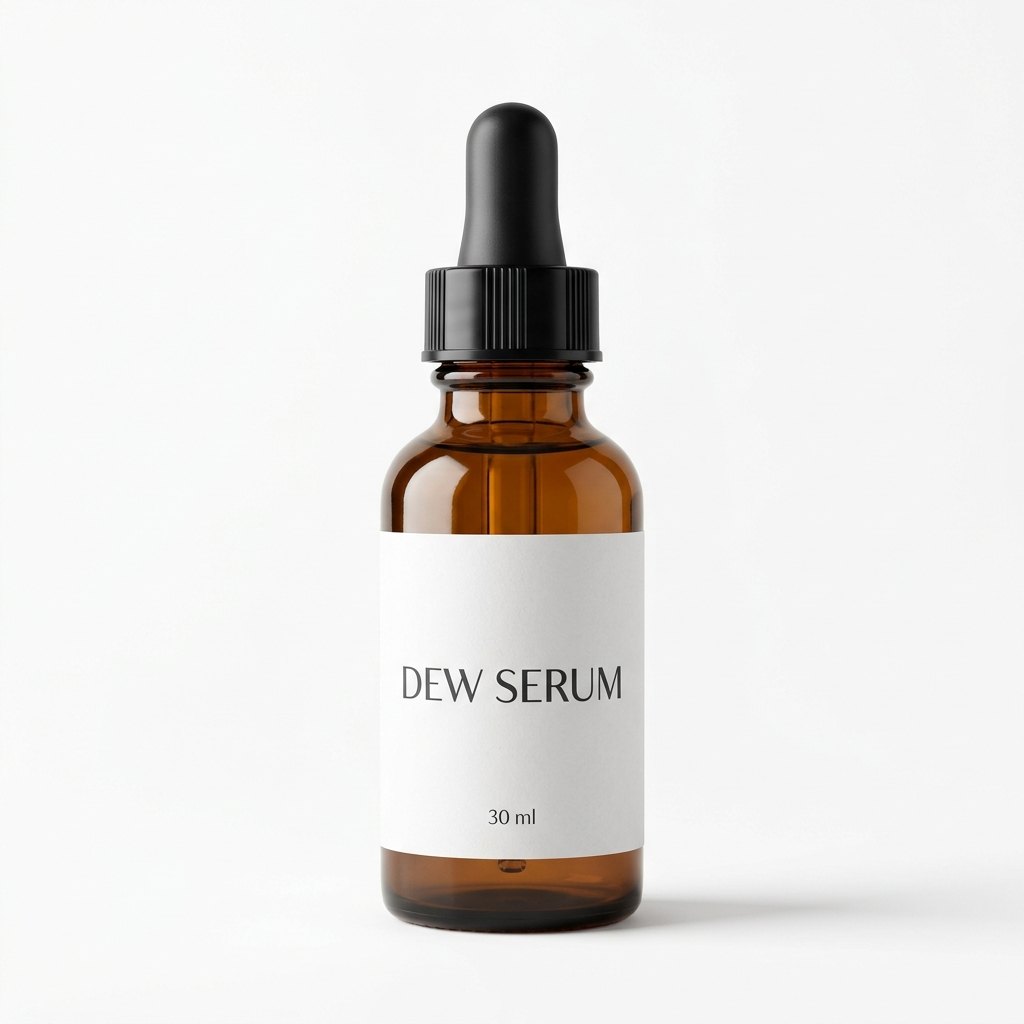
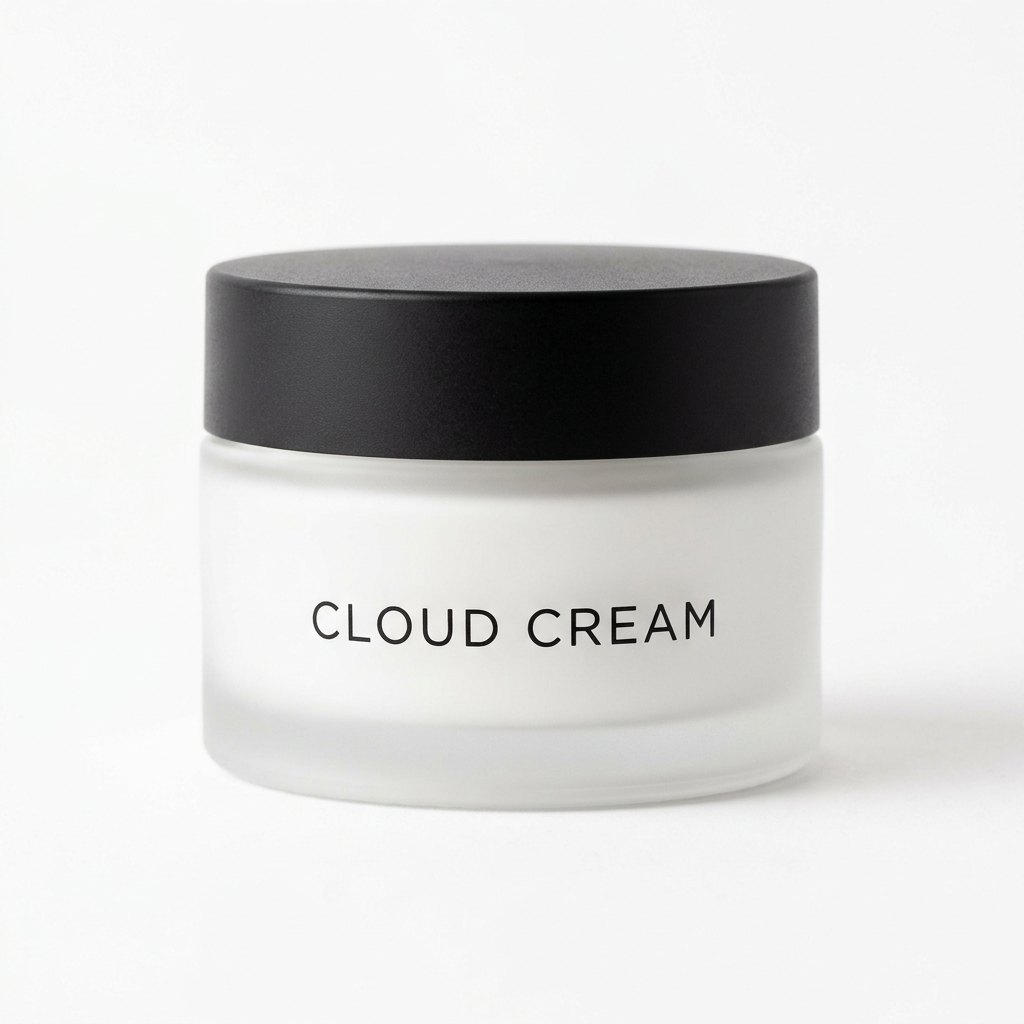
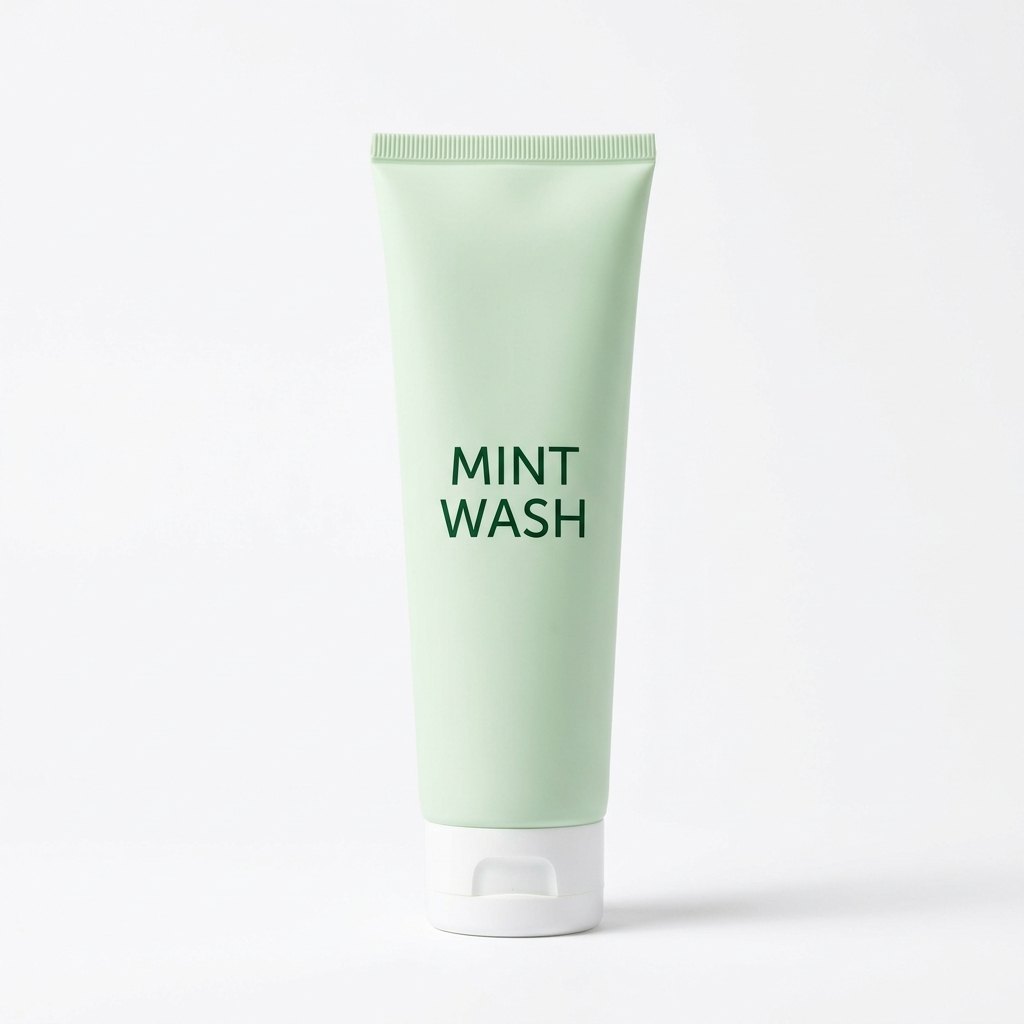
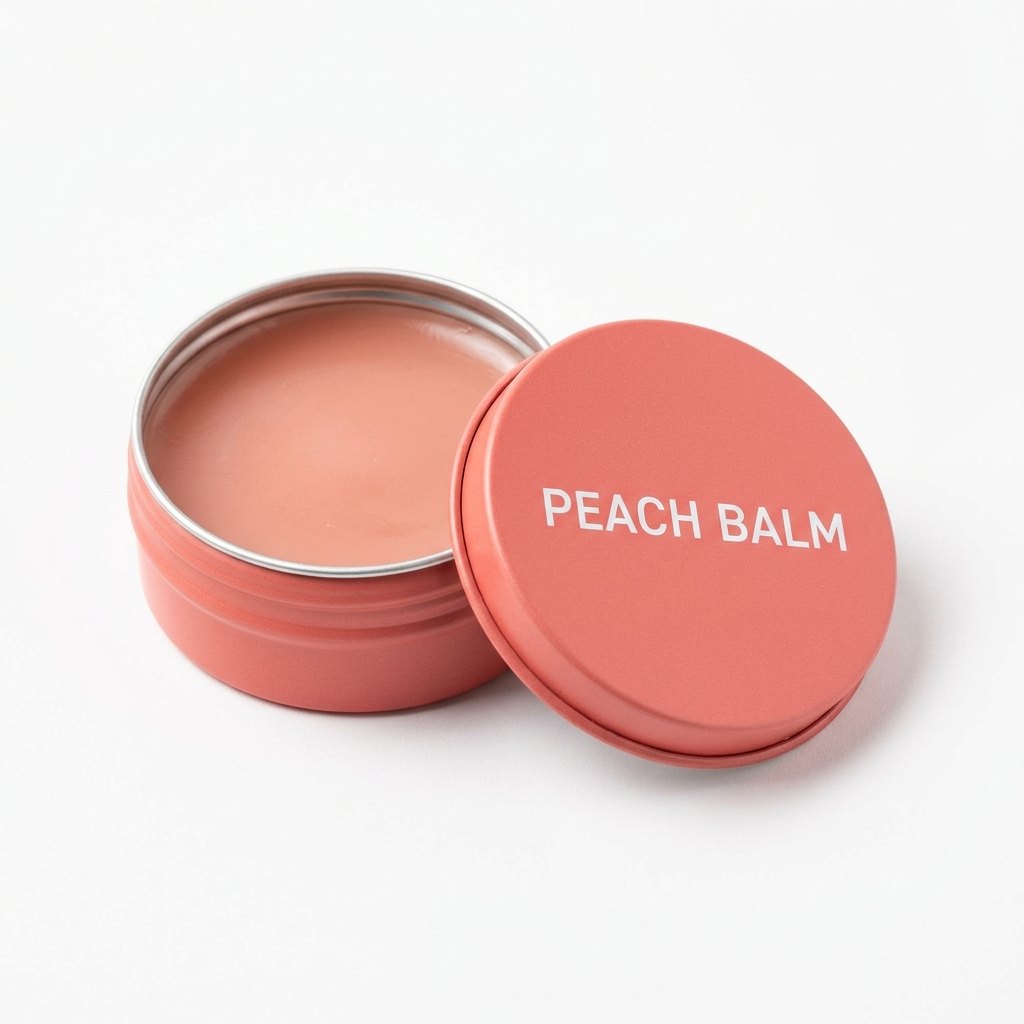
Four separate packshots, a serum, a cream jar, a cleanser tube and a lip balm tin, come back as one sunlit bathroom still life. DEW SERUM, CLOUD CREAM, MINT WASH and PEACH BALM all keep their labels, and each pack keeps its glass, frost or tin finish.

Four products, one shelf, every label intact: Arrange the four products from the reference images together in one bathroom scene: on a pale travertine shelf beside a sink, a sprig of eucalyptus in a small glass, morning sunlight from a window casting soft leaf shadows across the shelf. Keep each product's shape, colour, material and label text exactly as in its reference: 'DEW SERUM', 'CLOUD CREAM', 'MINT WASH', 'PEACH BALM'. Photorealistic editorial still life, 50mm lens, shallow depth of field, no other text, no logos.
Input
  • Four products, one shelf, every label intact: Image 1Image 1
  • Four products, one shelf, every label intact: Image 2Image 2
  • Four products, one shelf, every label intact: Image 3Image 3
  • Four products, one shelf, every label intact: Image 4Image 4
Settings
  • Image to image
  • 2K
  • 4:3
Prompt

Arrange the four products from the reference images together in one bathroom scene: on a pale travertine shelf beside a sink, a sprig of eucalyptus in a small glass, morning sunlight from a window casting soft leaf shadows across the shelf. Keep each product's shape, colour, material and label text exactly as in its reference: 'DEW SERUM', 'CLOUD CREAM', 'MINT WASH', 'PEACH BALM'. Photorealistic editorial still life, 50mm lens, shallow depth of field, no other text, no logos.

What you can make with Nano Banana 2.1

Posters and menus that need no retouching

Event posters, café menus, shelf talkers and simple infographics where the headline, the times and the small print come back spelled as typed, at up to 4K for print.

One character across a whole series

Draw a person once, then keep editing the same picture to move them through scenes and seasons for a comic, a campaign or a storyboard, without the face drifting between frames.

Product sets from separate shots

Combine several packshots into one styled scene for a launch post or a bundle listing, with up to 14 reference images and the label on every product left as it was.

The technology behind Nano Banana 2.1

How the model works, based on public documentation and sourced evidence.

Nano Banana 2.1 is Google's update to Nano Banana 2 (Gemini 3.1 Flash Image), released on October 6, 2026 and generally available from the first day. Google describes it as keeping Flash speed and cost while improving visual quality, prompt adherence, character consistency over several editing turns, and text rendering, and positions it as the more efficient counterpart to Nano Banana Pro (Gemini 3 Pro Image).

The changes over Nano Banana 2 that Google lists: better realism at 1K, 2K and 4K (1K by default), more accurate lettering and infographic layout, a fix for tiling artifacts on wide and panoramic formats such as 4:1 and 8:1 at 2K and 4K, and multi image fusion from up to 14 references, with character consistency for up to four people and object fidelity for up to ten objects. It also adds selectable thinking levels and grounding in Google Web and Image Search.

Google prices the API at about half of Nano Banana 2 for a 1K or 2K image. A 4K image comes to roughly three quarters of the Nano Banana 2 rate, because the newer model spends more output tokens at that size.

On Vidney it runs text to image and image to image with up to 14 reference images, in 1:1, 4:3, 3:4, 16:9 and 9:16, at 1K, 2K or 4K for 3, 5 or 9 credits. The ultra wide strip formats, the thinking level choice and search grounding are not in the panel yet.

Sources: google.dev

Who reaches for Nano Banana 2.1

Nano Banana 2.1 is Google's update to Nano Banana 2, released on October 6, 2026. It keeps the Flash speed and adds cleaner image quality, more reliable lettering and infographic layout, and a face that stays the same when you keep editing one picture turn after turn. Google also prices its API at about half of Nano Banana 2 for a 1K or 2K image. On Vidney it runs text to image and image to image with up to 14 reference images, in 1:1, 4:3, 3:4, 16:9 and 9:16, at 1K, 2K or 4K for 3, 5 or 9 credits. Choose Nano Banana Pro instead when a crowded scene, complicated lighting or fine physical detail matters more than speed: it is Google's heavier image model and costs 12 credits a run here.

How to generate image with Nano Banana 2.1

Create AI image with Nano Banana 2.1 on Vidney in three steps.

Glowing panels with one model selected from severalStreams of light forming into an emerging imageA finished image materializing from a vortex of glowing light

Nano Banana 2.1 vs Flux 3 Klein vs GPT Image 2.5 vs Muse Image

Specs side by side with similar models, all runnable on Vidney.

Nano Banana 2.1Flux 3 KleinGPT Image 2.5Muse Image
Task modesText to Image · Image to ImageText to Image · Image to ImageText to Image · Image to ImageText to Image · Image to Image
Resolution1K · 2K · 4K1K · 2K · 4K1K · 2K · 4K—
Cost3 credits per generation3 credits per generation3–5 credits per generation3 credits per generation

What creators say about Nano Banana 2.1

Recurring themes from public reviews, comparisons and creator write-ups. Both the good and the bad.

What gets praised

  • Early prompt guides single out readable lettering on posters, menus and diagrams, and report that the model came out ahead of Nano Banana 2 on infographic design and factual accuracy in Google's comparisons.

  • Guides also lean on step by step editing in one conversation, changing a season or adding a detail turn after turn while the subject stays recognisable.

Common complaints

  • Small lettering can blur at 1K and long blocks of copy still go wrong, so guides keep the wording short and ask for 2K or 4K whenever type matters.

  • Left and right are occasionally swapped, an uploaded character can drift a little from the reference, and an edited subject sometimes keeps its old pose, so good prompts spell out what stays and what moves.

Related models

More AI image models you can run on Vidney.

Google's lightweight Nano Banana: 1K images and quick edits for work made in volume.

3 credits per generation
Live

Generate AI image with Nano Banana 2: text to image and image to image, all from one Vidney workspace.

3 credits per generation
Live

Generate AI image with Nano Banana: text to image and image to image, all from one Vidney workspace.

6 credits per generation
Live

Generate AI image with Nano Banana Pro: text to image and image to image, all from one Vidney workspace.

12 credits per generation
Live

The small, fast Flux 3: an image from a prompt, or one change across up to ten references.

3 credits per generation
Live

Two speeds on one page, and the words you typed come back spelled right.

3–5 credits per generation

Frequently asked questions

What is Nano Banana 2.1?

Nano Banana 2.1 is an AI image model you can run on Vidney. It supports text to image and image to image from a single workspace.

How much does Nano Banana 2.1 cost per generation?

Nano Banana 2.1 costs 3 credits per generation. The exact credit cost is shown on the generate button before you run it. That is about $0.09 per run at the Starter plan rate ($0.03 per credit).

What aspect ratios does Nano Banana 2.1 support?

Nano Banana 2.1 supports the following aspect ratios: 1:1, 4:3, 3:4, 16:9, 9:16.

Is Nano Banana 2.1 free to use?

You can start with Nano Banana 2.1 for free on Vidney using your sign-up credits, no card required to try it. After that each run costs 3 credits per generation, and the exact cost is always shown on the generate button before you spend a credit.

Can I use Nano Banana 2.1 images commercially?

Yes. The images you generate with Nano Banana 2.1 on Vidney are yours to use in commercial projects: ads, social posts, client work, and product content. You keep the output; Vidney only handles generation and storage.

Does Nano Banana 2.1 add a watermark?

Only on the free plan. Free-plan downloads carry a small Vidney watermark; on any paid plan, Nano Banana 2.1 images download clean, ready to publish or hand to a client. Upgrading also removes the watermark from images you already made.

What are the best Nano Banana 2.1 alternatives?

The closest Nano Banana 2.1 alternatives on Vidney are Flux 3 Klein, GPT Image 2.5, and Muse Image. They all run in the same workspace from one credit balance, so you can run the same prompt on each and compare the results side by side.

Do I need an API key or a provider account to use Nano Banana 2.1?

No. Vidney runs Nano Banana 2.1 for you, so there are no API keys to manage and no separate provider account to set up.

Create with Nano Banana 2.1 now