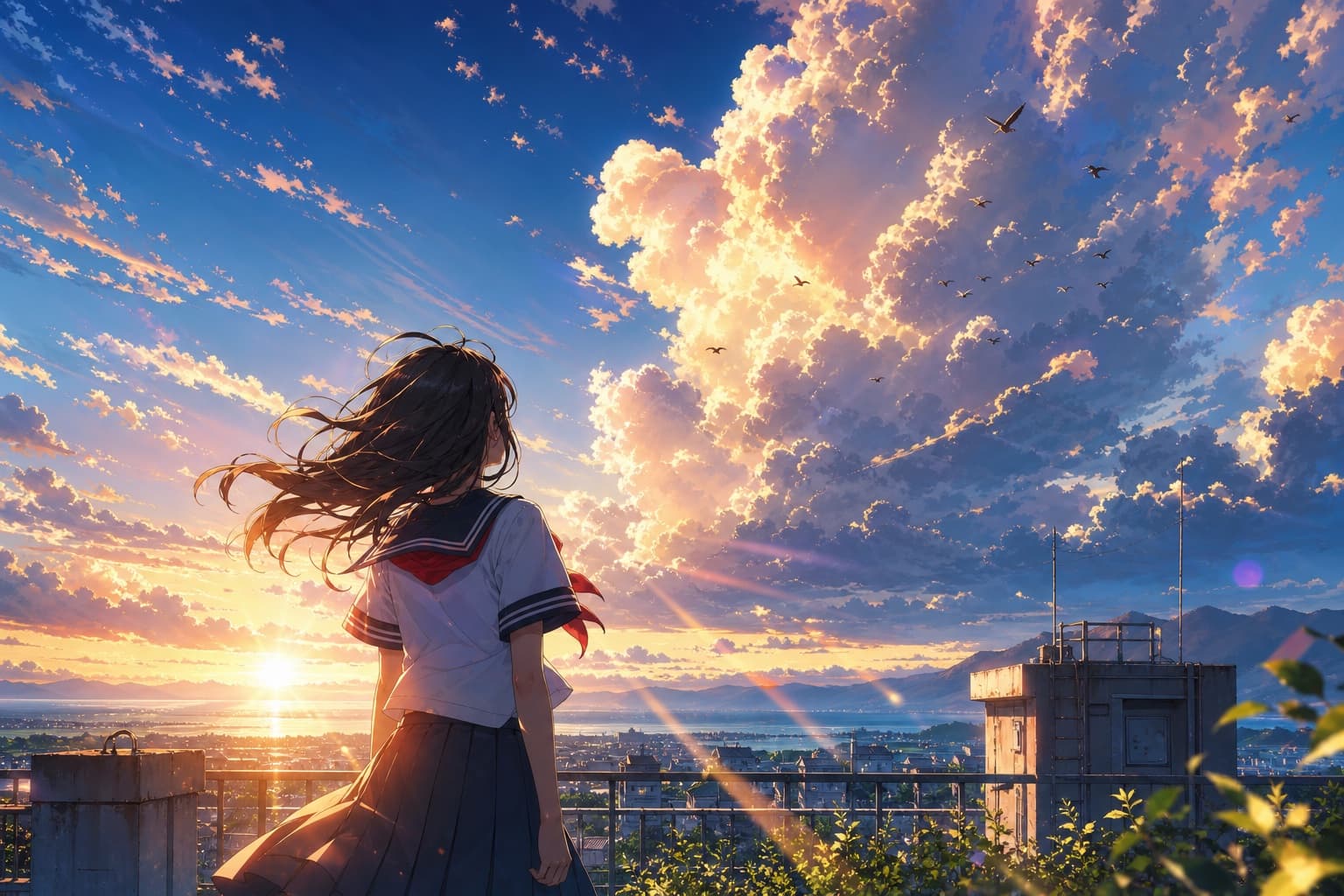
Cinematic short

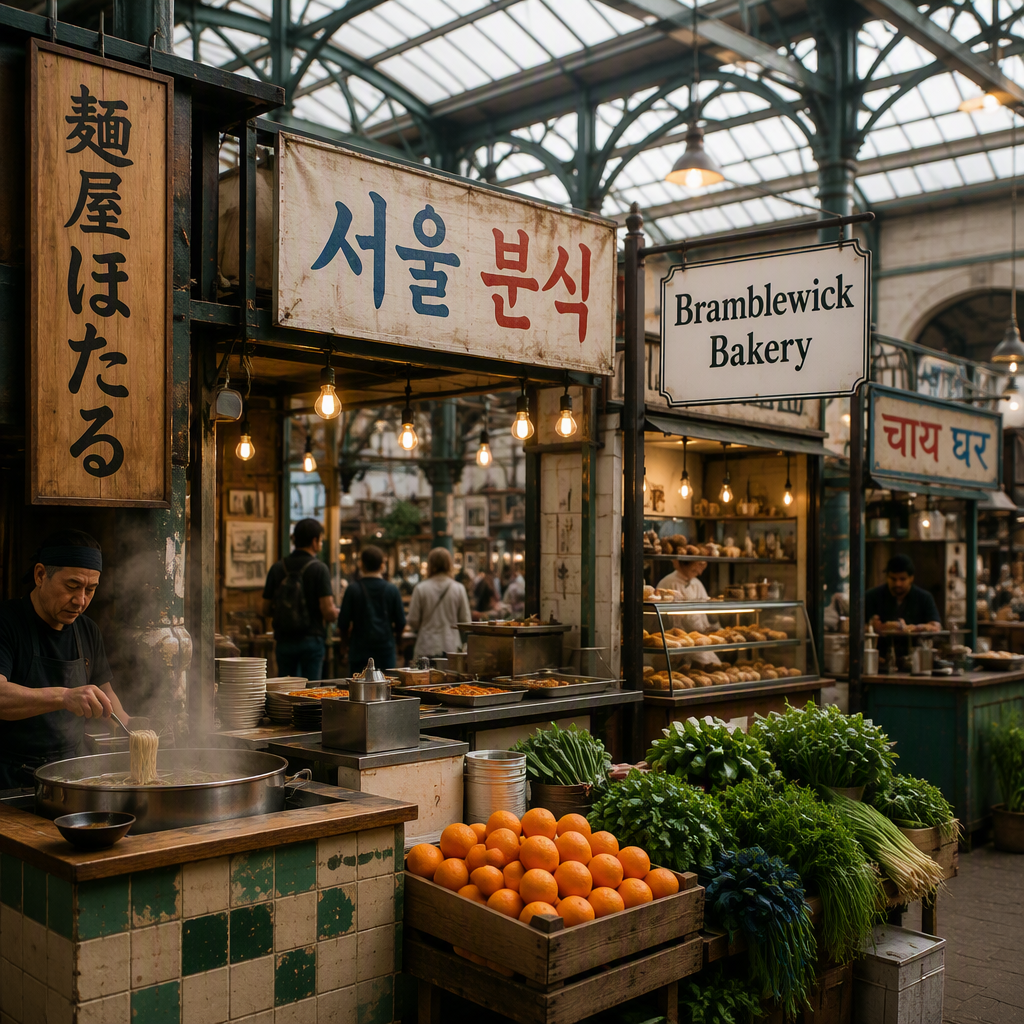
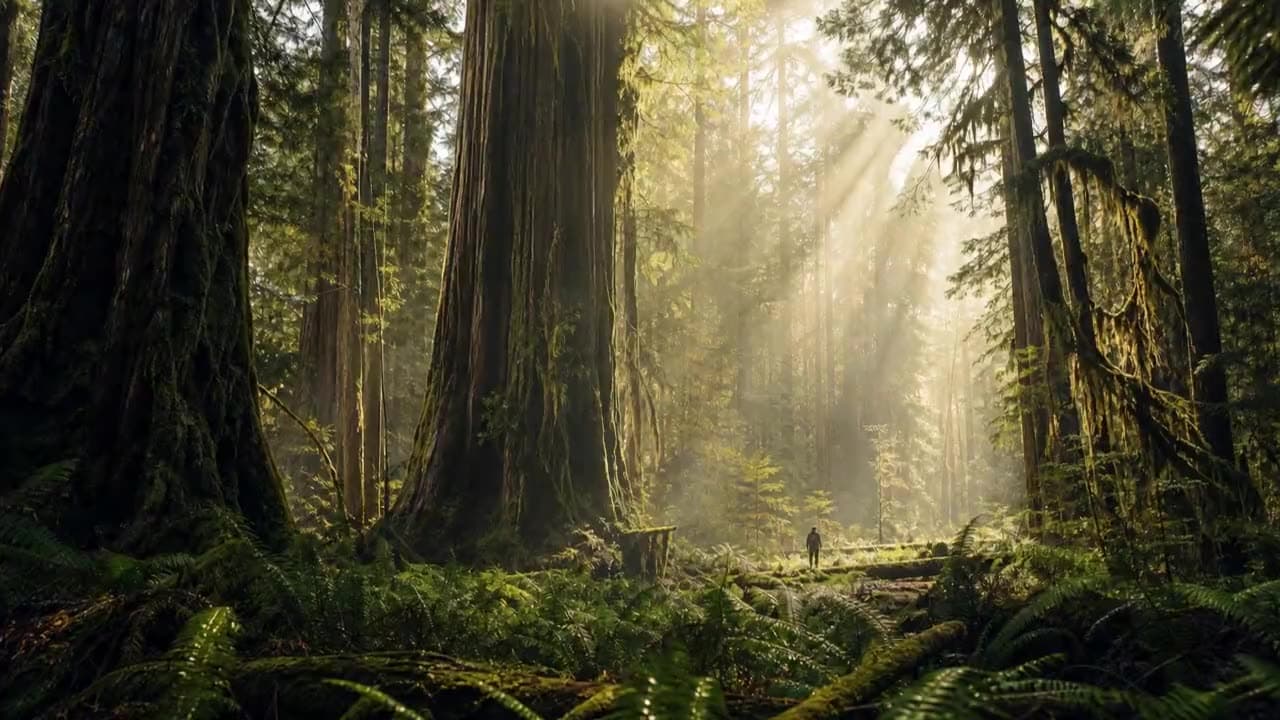
A breathtaking cinematic film still, dramatic lighting, anamorphic composition, rich teal-and-orange color grade, photorealistic, movie-quality detail
AI Image Generator
Generate AI image with GPT Image 2.0: text to image and image to image, all from one Vidney workspace.
Output

Real GPT Image 2.0 output, generated on Vidney. These are actual results, not stock or fabricated examples.

A breathtaking cinematic film still, dramatic lighting, anamorphic composition, rich teal-and-orange color grade, photorealistic, movie-quality detail

Clean e-commerce product hero shot, a sleek consumer product on a minimal studio backdrop with soft gradient lighting and crisp reflections, premium commercial photography

A vibrant eye-catching social-media visual with bold colors and playful dynamic composition, trendy and shareable aesthetic

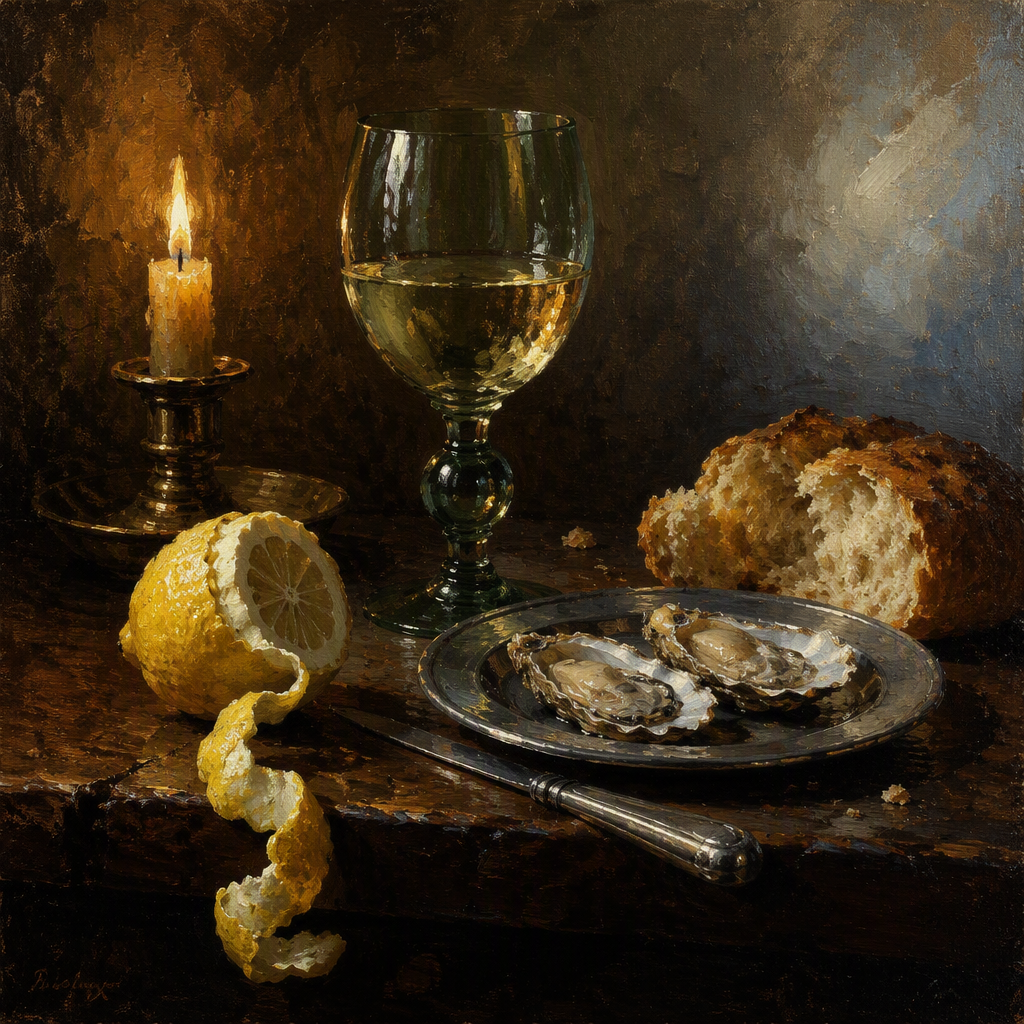
A lovingly restored vintage family portrait, warm tones, fine film grain, nostalgic and emotional, photorealistic restoration and colorization
One prompt returns a finished frame: no canvas, no design software. Change a few words to restage the scene and re-run in seconds.
Aspect ratios like 1:1, 4:3, 3:4, 16:9, 9:16 fit thumbnails, posts, and print without re-cropping, and identity holds across a whole set of images.
Sharp detail, accurate color, no Vidney watermark. The frame you generate is the frame you ship.
GPT Image 2.0 runs text to image and image to image next to every other major image model: one workspace, one credit balance, no API keys.
Render ten ad variants in the time it took to brief one designer, then A/B test against real spend. No shoot, no studio.
Batch a week of thumbnails, headers, and quote cards in one session, with one consistent brand look across the series.
Listing shots and lifestyle scenes from the angle that converts, fresh for every SKU instead of recycled supplier photos.
Explore characters, moodboards, and key visuals in minutes. Pitch finished-looking key art before the budget is locked.
How the model is built and what it was trained to do, drawn from official docs and independent reviews.
GPT Image 2 (branded ChatGPT Images 2.0 in the app) is OpenAI's third generation image model, released on April 21, 2026 as the successor to gpt-image-1 and gpt-image-1.5. It generates and edits images from text and image prompts, supports multiple aspect ratios, and renders at up to 2K resolution. At launch OpenAI reported it took the number one spot across Image Arena leaderboards, including a large lead in text-to-image.
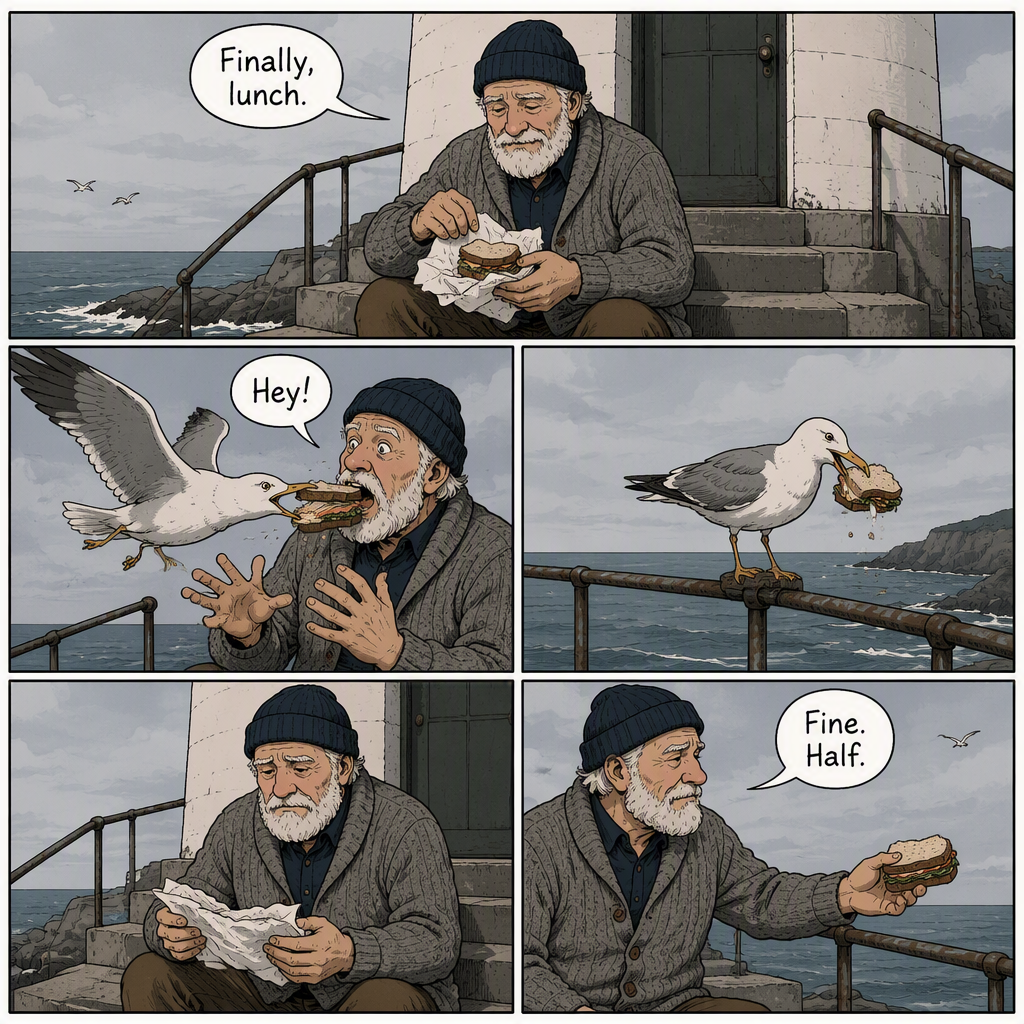
OpenAI has not published the architecture and declined to confirm it at the launch press briefing, though the GPT Image family has been reported as autoregressive rather than diffusion based. What OpenAI does describe is a reasoning step: the model plans layout and structure before rendering, which is why complex jobs like infographics or multi panel comics can take several minutes instead of seconds.
The headline improvement over gpt-image-1.5 is text rendering, including non-Latin scripts such as Japanese, Korean, Hindi and Bengali, plus better instruction following and preservation of fine details like small text and UI elements. Known limits: its world knowledge stops at December 2025, and the API offers no streaming or fine-tuning, with rate limits counted in images per minute.
Every image carries C2PA Content Credentials recording that it was AI generated, and since May 2026 OpenAI also embeds Google's SynthID invisible watermark, which survives screenshots and re-encoding. OpenAI provides a public verification tool that checks an uploaded image for both signals.
Sources: openai.com · techcrunch.com · decrypt.co · wikipedia.org
GPT Image 2.0 fits anyone who needs finished images without a photographer, a designer, or a stock-library subscription. Performance marketers batch ad and product visuals: a DTC team renders a dozen creative variants for one campaign and A/B tests them the same afternoon. E-commerce sellers generate listing shots, lifestyle scenes, and packaging mockups for Amazon, Shopify, and Etsy, refreshing imagery as fast as inventory turns. Content teams produce blog headers, thumbnails, and social graphics that hold a consistent brand look across a whole series. Designers and indie studios explore concept art, characters, and key visuals before committing to a full production. Brands keep one product or character identical across an entire campaign. On Vidney you run GPT Image 2.0 next to every other major image model, so you pick the best one per project instead of locking into a single provider.
Create AI image with GPT Image 2.0 on Vidney in three steps.


Specs side by side with similar models, all runnable on Vidney.
| GPT Image 2.0 | Nano Banana 2 | Nano Banana Pro | Seedream 5.0 Lite | |
|---|---|---|---|---|
| Task modes | Text to Image · Image to Image | Text to Image · Image to Image | Text to Image · Image to Image | Text to Image · Image to Image |
| Cost | 3 credits per generation | 9 credits per generation | 12 credits per generation | 9 credits per generation |
Recurring themes from public reviews, comparisons and creator write-ups. Both the good and the bad.
Creators consistently praise the text rendering: menus, signage, UI mockups and multilingual text come out readable and often production ready, a clear step up from earlier OpenAI models.
Hands-on reviewers highlight how well it preserves identity and small details when editing from reference photos, keeping faces, hair and even moles intact where rivals drift.
Designers report that structured work such as infographics, marketing assets and editorial layouts comes out close to agency quality with little manual cleanup.
A common complaint is speed and throughput: complex prompts can take minutes to render, and API rate limits measured in images per minute frustrate developers building production apps.
Some reviewers note an over-processed look on demanding prompts, with oversharpening and high saturation, plus occasional drift in brand colors across a multi-image series.
More AI image models you can run on Vidney.
Generate AI image with GPT Image 1.5: text to image and image to image, all from one Vidney workspace.
Generate AI image with Midjourney V7: text to image and image to image, all from one Vidney workspace.
Generate AI image with Nano Banana: text to image and image to image, all from one Vidney workspace.
Generate AI image with Flux Kontext Pro: text to image and image to image, all from one Vidney workspace.
Generate AI image with Seedream 4.0: text to image and image to image, all from one Vidney workspace.
Generate AI image with Nano Banana 2: text to image and image to image, all from one Vidney workspace.
GPT Image 2.0 is an AI image model you can run on Vidney. It supports text to image and image to image from a single workspace.
GPT Image 2.0 costs 3 credits per generation. The exact credit cost is shown on the generate button before you run it.
GPT Image 2.0 supports the following aspect ratios: 1:1, 4:3, 3:4, 16:9, 9:16.
You can start with GPT Image 2.0 for free on Vidney using your sign-up credits, no card required to try it. After that each run costs 3 credits per generation, and the exact cost is always shown on the generate button before you spend a credit.
Yes. The images you generate with GPT Image 2.0 on Vidney are yours to use in commercial projects: ads, social posts, client work, and product content. You keep the output; Vidney only handles generation and storage.
No. GPT Image 2.0 images generated on Vidney are delivered clean, with no Vidney watermark, ready to publish or hand to a client as-is.
The closest GPT Image 2.0 alternatives on Vidney are Nano Banana 2, Nano Banana Pro, and Seedream 5.0 Lite. They all run in the same workspace from one credit balance, so you can run the same prompt on each and compare the results side by side.
No. Vidney runs GPT Image 2.0 for you, so there are no API keys to manage and no separate provider account to set up.