Vidney

AI Image Generator

Flux 3 Klein

The small, fast Flux 3: an image from a prompt, or one change across up to ten references.

Vidney Workbench

22 models
0/2000
Required: 3 credits

Output

Sample

What Flux 3 Klein does well

01

Three words on a painted sign

A wooden bakery sign hangs above a green door in low morning sun, with a basket of loaves below. FRESH BREAD DAILY is spelled right in hand-painted letters, and the small BAKERY plate on the door reads too.

Three words on a painted sign: A hand-painted wooden sign reading FRESH BREAD DAILY hanging above a small bakery door, morning light, shallow depth of field.
Settings
  • Text to image
  • 1K
  • 1:1
Prompt

A hand-painted wooden sign reading FRESH BREAD DAILY hanging above a small bakery door, morning light, shallow depth of field.

02

One colour changed, the rest kept

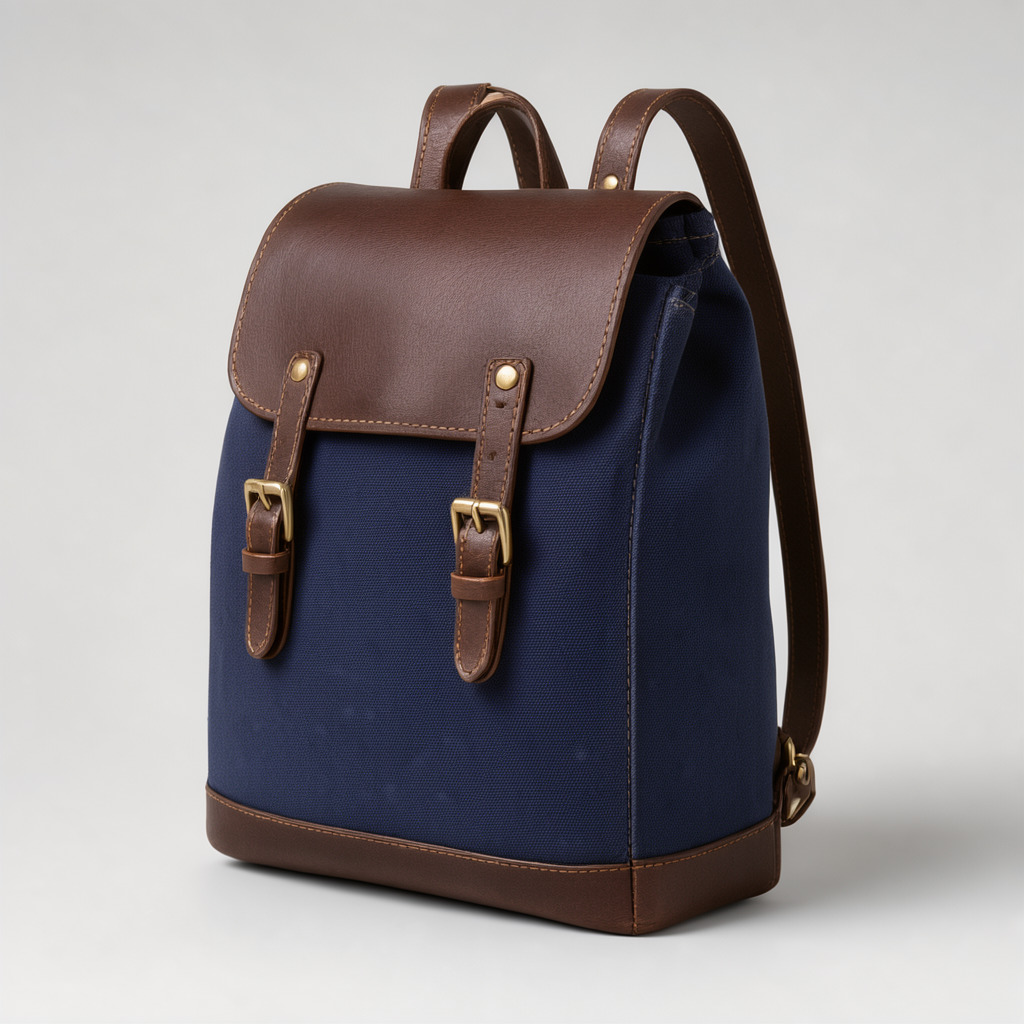
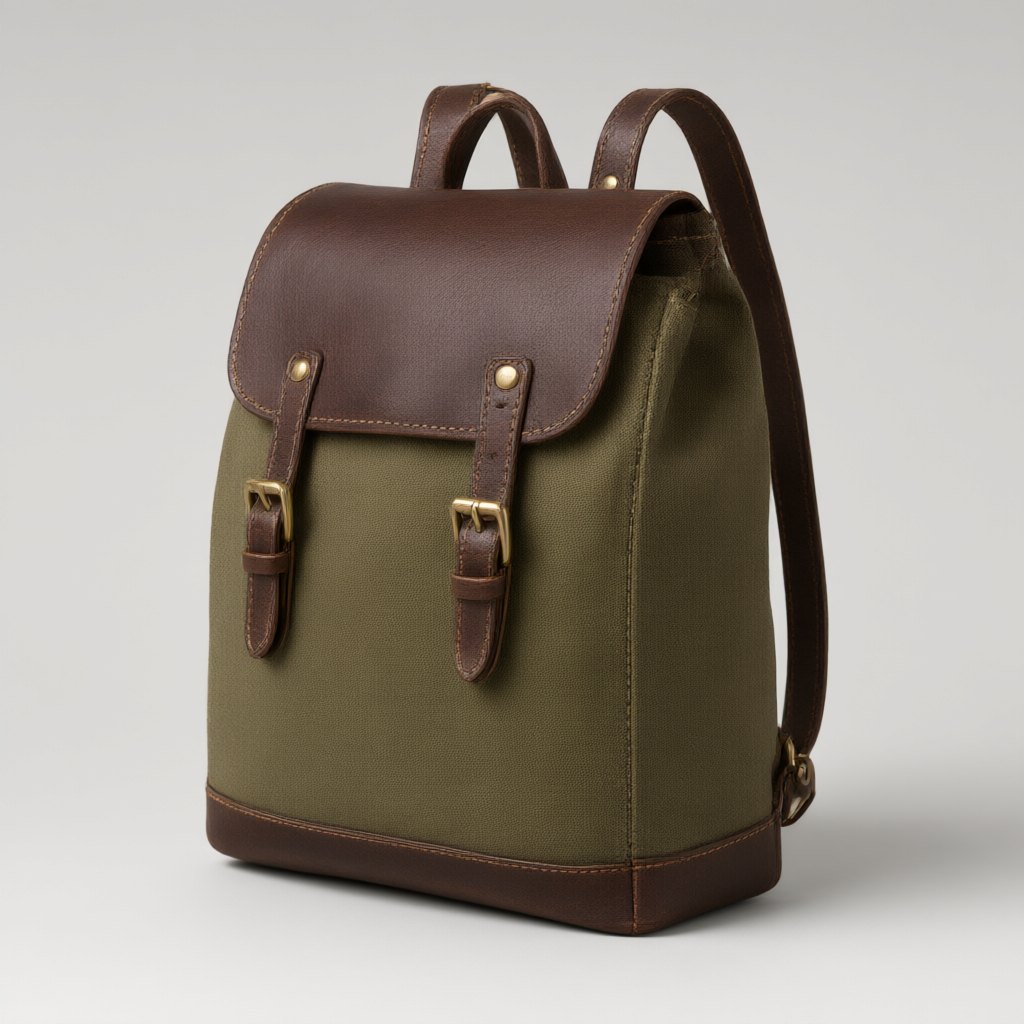
An olive canvas backpack turns navy on a one-line instruction. The leather flap, straps, stitching and brass buckles stay as they were, down to the angle and the shadow.

One colour changed, the rest kept: Change the backpack to dark navy blue and keep everything else unchanged.
Input
  • One colour changed, the rest kept: Source imageSource image
Settings
  • Image to image
  • 1K
  • 1:1
Prompt

Change the backpack to dark navy blue and keep everything else unchanged.

03

A whole village at 2K

A snowy alpine village built as a miniature: log chalets with lit windows, smoke curling from the chimneys, a frozen pond and a little stone bridge under blue dusk light. At 2K the log grain, the snow on every branch and the stones of the bridge stay crisp.

A whole village at 2K: A tilt-shift miniature diorama of a snowy alpine village at dusk: tiny wooden chalets with plain log walls and glowing windows, smoke rising from the chimneys, pine trees dusted with snow, a frozen pond and a small stone bridge, soft blue evening light. No text, no letters, no signs, no plaques, no logos.
Settings
  • Text to image
  • 2K
  • 16:9
Prompt

A tilt-shift miniature diorama of a snowy alpine village at dusk: tiny wooden chalets with plain log walls and glowing windows, smoke rising from the chimneys, pine trees dusted with snow, a frozen pond and a small stone bridge, soft blue evening light. No text, no letters, no signs, no plaques, no logos.

What you can make with Flux 3 Klein

Product colour variants

One product photo, several colours or materials: change what you name and keep the shape, stitching and hardware.

Signs, labels and short headlines

A few words on a sign, a label or a poster, spelled as written. Check long or very small text, which the model card flags.

Quick drafts, then a bigger file

Try ideas at 1K, then run the one you like again at 2K or 4K for print or a large screen.

The technology behind Flux 3 Klein

How the model works, based on public documentation and sourced evidence.

Flux 3 Klein, officially FLUX 3 Image Klein, is the small member of Black Forest Labs' Flux 3 family, released on October 15, 2026. It has 5.6 billion parameters and ships as open weights under the FLUX Kommunity License, which allows free commercial use for individuals and for companies under 5 million dollars in annual revenue. Klein is German for small, and the point is speed and running on a single consumer graphics card, down to 8 GB of memory with the INT8 build.

Black Forest Labs released a base model for fine tuning and a step distilled model for fast generation; the distilled one is the version served through APIs. It covers text to image, image editing and multi reference generation with up to 10 reference images, native 4K output, and bounding boxes that steer where elements go or keep an edit inside an area. A prompt upsampler rewrites short prompts into fuller descriptions before generation, and because the model was trained on long scene captions, Black Forest Labs advises keeping it on.

In Black Forest Labs' own Elo comparisons Klein ranks first among open weights models for text to image, editing and multi reference work, 91 points ahead of FLUX.2 [klein] 9B in text to image and 70 in editing with 38 percent fewer parameters. Those are internal numbers, and the company timed its own model on its servers and rivals from the client side, so the speed comparison is not controlled.

On Vidney both modes are open. Text to image and editing run at 1K, 2K or 4K in 1:1, 4:3, 3:4, 16:9 or 9:16, and an edit can take up to 10 reference images. Prompt expansion is on by default. 2K works as a budget of about four megapixels, so a 16:9 image at 2K is wider than 2048 pixels, while 4K reaches 4096 pixels on the long side. Bounding boxes, custom sizes and the base model are not offered here.


Sources: bfl.ai

Who reaches for Flux 3 Klein

Flux 3 Klein is the smallest member of Black Forest Labs' Flux 3 family, released on October 15, 2026 as an open model with 5.6 billion parameters. Klein is German for small, and the version here is the fast distilled one. It covers text to image and image editing, an edit can take up to 10 reference images, and output comes at 1K, 2K or 4K in 1:1, 4:3, 3:4, 16:9 or 9:16. Your prompt is expanded into a fuller description before generation, which Black Forest Labs says noticeably lifts quality. Its own benchmarks put Klein first among open models for text to image, editing and multi reference work; early outside opinions are more mixed, and the model card warns that small rendered text can come out wrong. At 1K it costs the same as Nano Banana 2, which makes it a fit for fast drafts, new product colours and signs with a few words.

How to generate image with Flux 3 Klein

Create AI image with Flux 3 Klein on Vidney in three steps.

Glowing panels with one model selected from severalStreams of light forming into an emerging imageA finished image materializing from a vortex of glowing light

Flux 3 Klein vs Nano Banana 2.1 vs GPT Image 2.5 vs Muse Image

Specs side by side with similar models, all runnable on Vidney.

Flux 3 KleinNano Banana 2.1GPT Image 2.5Muse Image
Task modesText to Image · Image to ImageText to Image · Image to ImageText to Image · Image to ImageText to Image · Image to Image
Resolution1K · 2K · 4K1K · 2K · 4K1K · 2K · 4K—
Cost3 credits per generation3 credits per generation3–5 credits per generation3 credits per generation

What creators say about Flux 3 Klein

Recurring themes from public reviews, comparisons and creator write-ups. Both the good and the bad.

What gets praised

  • Speed is the point. Early API users described it as very fast, and Black Forest Labs puts the median API time at about four and a half seconds for a one megapixel image.

  • Editing drew the warmest early reactions, with testers calling edits solid and reporting anatomy errors much less often than on FLUX.2 Klein.

  • It runs locally. Open weights, a 5.6 billion parameter size and an 8 GB INT8 build put a current Flux model on a consumer graphics card.

Common complaints

  • Early opinions are split. Some testers found it clearly weaker than the larger Flux 3 model and one was disappointed next to FLUX.2 Klein; much of the split seems to come down to whether prompt upsampling was on.

  • Small text is a known weak spot. The model card warns that rendered text may be inaccurate, and one of Black Forest Labs' own samples misspells a caption.

  • The benchmark story is Black Forest Labs' own. No independent leaderboard placement was available in the first week.

  • Bounding boxes are guidance rather than masks, so an edit aimed at one area can still change pixels outside it.

Related models

More AI image models you can run on Vidney.

Live

Generate AI image with Flux Kontext: text to image and image to image, all from one Vidney workspace.

6–12 credits per generation
Live

Google's new Flash image model: the words come back spelled right, and the face survives the next edit.

3 credits per generation
Live

Two speeds on one page, and the words you typed come back spelled right.

3–5 credits per generation
Live

Meta's image model checks its own draft before the picture comes back.

3 credits per generation

Google's lightweight Nano Banana: 1K images and quick edits for work made in volume.

3 credits per generation
Live

Generate AI image with Nano Banana 2: text to image and image to image, all from one Vidney workspace.

3 credits per generation

Frequently asked questions

What is Flux 3 Klein?

Flux 3 Klein is an AI image model you can run on Vidney. It supports text to image and image to image from a single workspace.

How much does Flux 3 Klein cost per generation?

Flux 3 Klein costs 3 credits per generation. The exact credit cost is shown on the generate button before you run it. That is about $0.09 per run at the Starter plan rate ($0.03 per credit).

What aspect ratios does Flux 3 Klein support?

Flux 3 Klein supports the following aspect ratios: 1:1, 4:3, 3:4, 16:9, 9:16.

Is Flux 3 Klein free to use?

You can start with Flux 3 Klein for free on Vidney using your sign-up credits, no card required to try it. After that each run costs 3 credits per generation, and the exact cost is always shown on the generate button before you spend a credit.

Can I use Flux 3 Klein images commercially?

Yes. The images you generate with Flux 3 Klein on Vidney are yours to use in commercial projects: ads, social posts, client work, and product content. You keep the output; Vidney only handles generation and storage.

Does Flux 3 Klein add a watermark?

Only on the free plan. Free-plan downloads carry a small Vidney watermark; on any paid plan, Flux 3 Klein images download clean, ready to publish or hand to a client. Upgrading also removes the watermark from images you already made.

What are the best Flux 3 Klein alternatives?

The closest Flux 3 Klein alternatives on Vidney are Nano Banana 2.1, GPT Image 2.5, and Muse Image. They all run in the same workspace from one credit balance, so you can run the same prompt on each and compare the results side by side.

Do I need an API key or a provider account to use Flux 3 Klein?

No. Vidney runs Flux 3 Klein for you, so there are no API keys to manage and no separate provider account to set up.

Create with Flux 3 Klein now