AI Image Generator

Nano Banana

Generate AI image with Nano Banana: text to image and image to image, all from one Vidney workspace.

Vidney Workbench

14 models
0/2000
Required: 6 credits

Output

Sample

What Nano Banana does well

01

Multi-reference image fusion

Hand it a person, a product, a backdrop and a style at once. It fuses them into one scene with shared lighting, perspective and color.

Multi-reference image fusion: A sleek perfume bottle from a studio shot placed on a sunlit marble countertop with soft morning light, composited as one natural scene
Prompt

A sleek perfume bottle from a studio shot placed on a sunlit marble countertop with soft morning light, composited as one natural scene

02

Conversational multi-turn editing

Refine by talking: make it dusk, pull the camera back, warm the palette. Each note builds on the last state instead of resetting.

Conversational multi-turn editing: A cozy bookshop interior at dusk, warm lamplight, rain on the windows, a cat asleep on a stack of books
Prompt

A cozy bookshop interior at dusk, warm lamplight, rain on the windows, a cat asleep on a stack of books

03

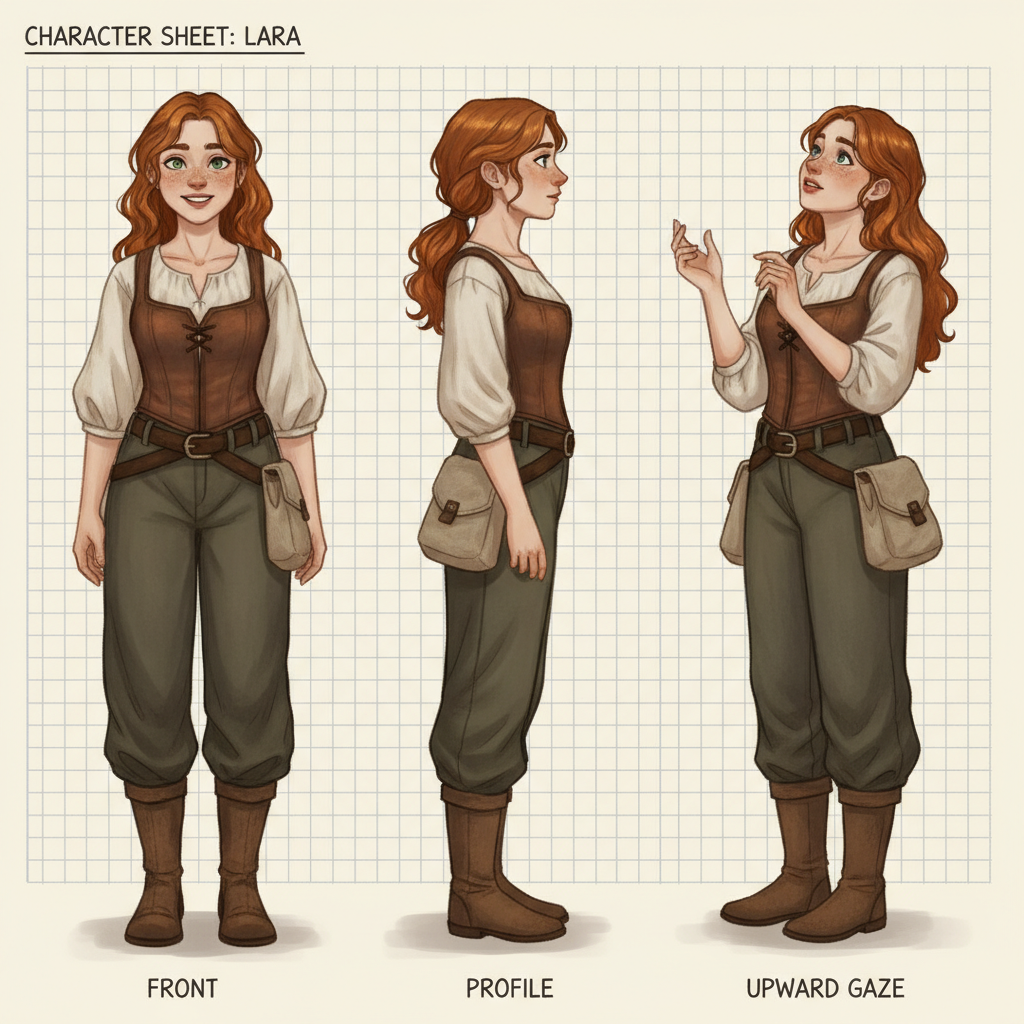
Identity locked across a series

A face, outfit or brand look stays recognizably the same across many freshly generated scenes, which is what keeps a storyboard or campaign coherent.

Identity locked across a series: A character sheet of the same young woman with auburn hair in three poses, front-facing smile, side profile, and looking upward, with a consistent face and outfit
Prompt

A character sheet of the same young woman with auburn hair in three poses, front-facing smile, side profile, and looking upward, with a consistent face and outfit

04

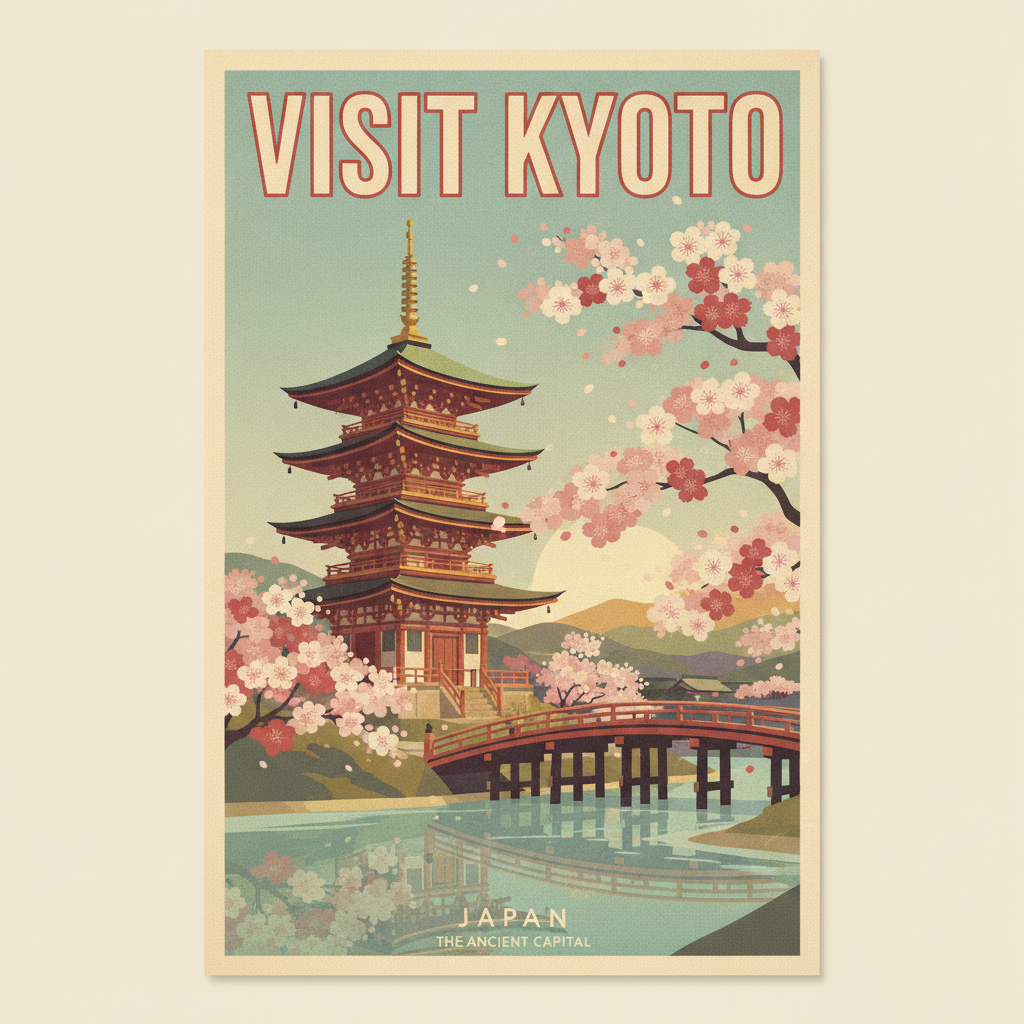
Legible in-image text

Signs, labels and titles come out spelled correctly and set into the surface's perspective and lighting, not floating as a flat overlay.

Legible in-image text: A retro travel poster that reads VISIT KYOTO in clean vintage lettering, with a five-storied pagoda and cherry blossoms
Prompt

A retro travel poster that reads VISIT KYOTO in clean vintage lettering, with a five-storied pagoda and cherry blossoms

What you can make with Nano Banana

Invent a scene around a subject

Put one subject into freshly invented surroundings: light, shadow and reflection all match the new setting.

Composite from several references

A model from one shot, a jacket from another, a mood from a third, fused into one believable frame.

A character across many panels

Define a character once and generate them on-model across a whole sequence: storyboard, character sheet, comic spread.

Iterate a look by conversation

Steer turn by turn: cooler palette, higher horizon, a title across the top. The picture evolves instead of restarting.

The technology behind Nano Banana

How the model is built and what it was trained to do, drawn from official docs and independent reviews.

Nano Banana is the codename for Gemini 2.5 Flash Image, an image generation and editing model from Google DeepMind. It first appeared anonymously on the LMArena leaderboard in August 2025, went viral before anyone knew who built it, and Google confirmed it as its own model when it launched in the Gemini app and API later that month. Unlike standalone image generators, it is a natively multimodal Gemini model, so the same model reads your text and reference photos together, and each generated image is billed as 1,290 output tokens (about $0.039 per image via the API).

Google built it in response to feedback on Gemini 2.0 Flash image generation, where developers liked the low latency but asked for higher quality and more creative control. Its headline abilities are keeping a character's likeness consistent across many edits and scenes, fusing several input photos into one image, making targeted edits from plain-language instructions (blur the background, remove an object, change a pose), and drawing on Gemini's world knowledge, for example reading a hand-drawn diagram before rendering it. On launch it became the top-rated image editing model on LMArena.

Google is open about what is not solved yet: the launch post says the team is still working on long-form text rendering, more reliable character consistency, and factual accuracy in images. Independent testing echoes this, with quality degrading over long chains of iterative edits and small details like tiny text on product labels sometimes coming back distorted. The model is positioned for speed and high-volume conversational editing rather than maximum resolution, which is what the later Pro tier targets.

Every image the model generates or edits carries SynthID, Google's invisible digital watermark, so output can be identified as AI-made even if visible metadata is stripped. This applies across the Gemini app, the Gemini API, and Vertex AI. Google has not published a technical report detailing the model's architecture, so third-party claims about its internals remain unverified.

Sources: googleblog.com · google.dev · blog.google

Who reaches for Nano Banana

Nano Banana is Google's Gemini-family image model, and people open it when one source image is not enough. Concept artists and art directors feed it several references at once, a face, a garment, a location plate, a mood board, and ask it to fuse them into one coherent frame. Brand and social teams iterate a look by talking to it, refining a composition over several turns instead of re-writing a prompt from zero. Character designers and comic creators lean on it to hold the same face, outfit, and palette across a whole series of freshly generated scenes. It also renders legible words inside the image, which helps anyone laying out a poster or title card. Compared with Flux Kontext, the line is clear. Pick Nano Banana when you are compositing multiple inputs, inventing a new scene, or carrying one identity through many generated images, and when conversation beats a single command. Pick Kontext instead when you have one finished photo and need a surgical, faithful change to a single region. On Vidney, both run from one credit balance, so the model can follow the job.

How to generate image with Nano Banana

Create AI image with Nano Banana on Vidney in three steps.

Glowing panels with one model selected from severalStreams of light forming into an emerging imageA finished image materializing from a vortex of glowing light

Nano Banana vs Nano Banana 2 vs Nano Banana Pro vs Seedream 5.0 Lite

Specs side by side with similar models, all runnable on Vidney.

Nano BananaNano Banana 2Nano Banana ProSeedream 5.0 Lite
Task modesText to Image · Image to ImageText to Image · Image to ImageText to Image · Image to ImageText to Image · Image to Image
Cost6 credits per generation9 credits per generation12 credits per generation9 credits per generation

What creators say about Nano Banana

Recurring themes from public reviews, comparisons and creator write-ups. Both the good and the bad.

What gets praised

  • Creators consistently praise its character consistency: it keeps the same face and subject recognizable across repeated edits and new scenes, the capability that made the model go viral on LMArena before Google even claimed it.

  • Reviewers and Reddit users highlight how fast and natural conversational editing feels, with plain-language requests like changing the season or relighting a photo coming back realistic enough for product retouching and e-commerce work.

  • Many point to the value: a free tier in the Gemini app and roughly four cents per image via the API, far cheaper than subscription-only rivals.

Common complaints

  • A common complaint is overly strict content filtering, with users reporting that harmless creative requests get refused often enough to disrupt real workflows.

  • Users also report that quality degrades over long chains of iterative edits, and that fine details in busy scenes, such as small text on labels or hands in group poses, often come back distorted.

Related models

More AI image models you can run on Vidney.

Live

Generate AI image with Nano Banana 2: text to image and image to image, all from one Vidney workspace.

9 credits per generation
Live

Generate AI image with Nano Banana Pro: text to image and image to image, all from one Vidney workspace.

12 credits per generation
MidjourneyMidjourney V7
Live

Generate AI image with Midjourney V7: text to image and image to image, all from one Vidney workspace.

6 credits per generation

Generate AI image with Flux Kontext Pro: text to image and image to image, all from one Vidney workspace.

6–12 credits per generation
Live

Generate AI image with Seedream 4.0: text to image and image to image, all from one Vidney workspace.

6–9 credits per generation

Generate AI image with Seedream 5.0 Lite: text to image and image to image, all from one Vidney workspace.

9 credits per generation

Frequently asked questions

What is Nano Banana?

Nano Banana is an AI image model you can run on Vidney. It supports text to image and image to image from a single workspace.

How much does Nano Banana cost per generation?

Nano Banana costs 6 credits per generation. The exact credit cost is shown on the generate button before you run it.

What aspect ratios does Nano Banana support?

Nano Banana supports the following aspect ratios: 1:1, 4:3, 3:4, 16:9, 9:16.

Is Nano Banana free to use?

You can start with Nano Banana for free on Vidney using your sign-up credits, no card required to try it. After that each run costs 6 credits per generation, and the exact cost is always shown on the generate button before you spend a credit.

Can I use Nano Banana images commercially?

Yes. The images you generate with Nano Banana on Vidney are yours to use in commercial projects: ads, social posts, client work, and product content. You keep the output; Vidney only handles generation and storage.

Does Nano Banana add a watermark?

No. Nano Banana images generated on Vidney are delivered clean, with no Vidney watermark, ready to publish or hand to a client as-is.

What are the best Nano Banana alternatives?

The closest Nano Banana alternatives on Vidney are Nano Banana 2, Nano Banana Pro, and Seedream 5.0 Lite. They all run in the same workspace from one credit balance, so you can run the same prompt on each and compare the results side by side.

Do I need an API key or a provider account to use Nano Banana?

No. Vidney runs Nano Banana for you, so there are no API keys to manage and no separate provider account to set up.

Create with Nano Banana now