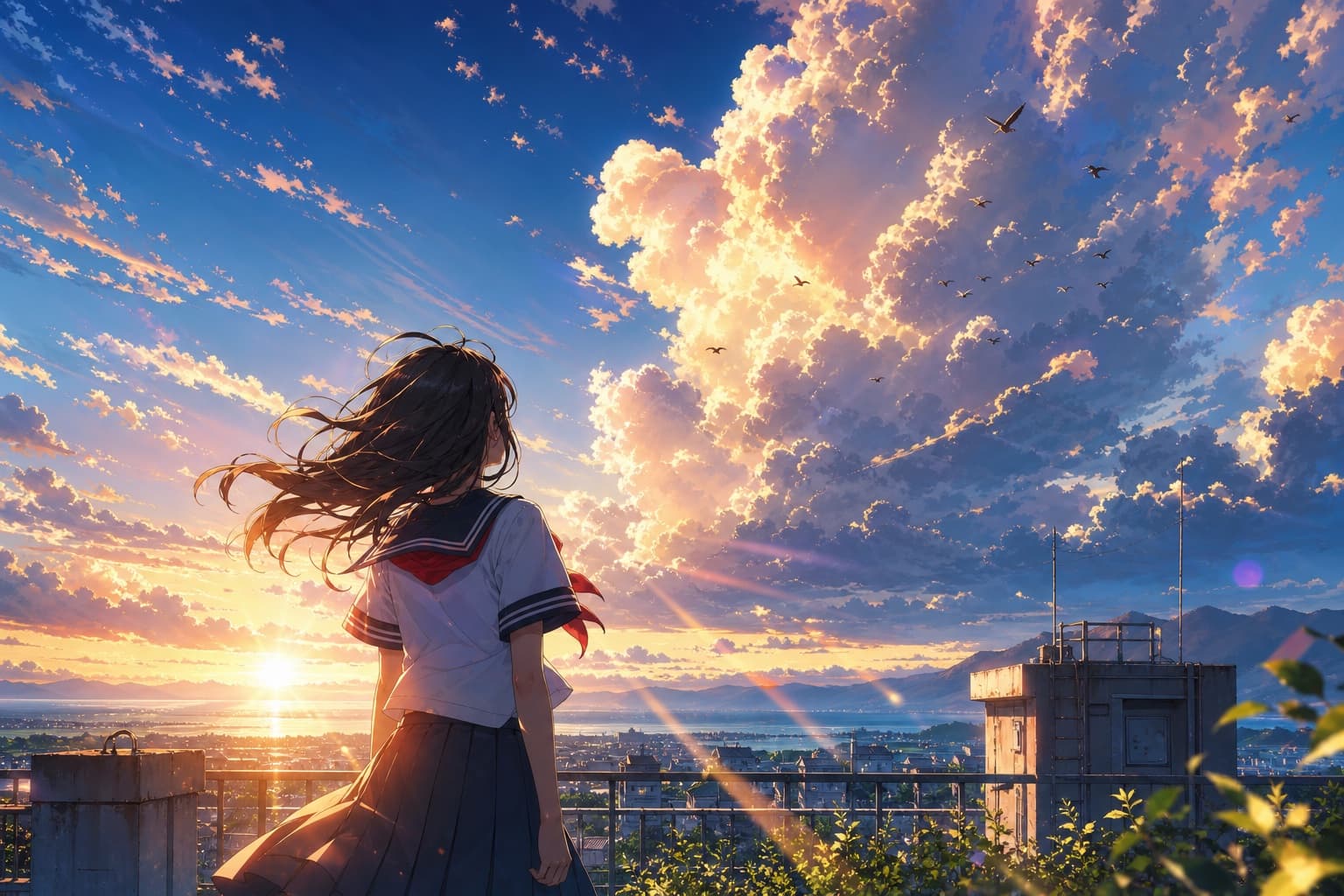
AI Image Generator

Nano Banana 2

Generate AI image with Nano Banana 2: text to image and image to image, all from one Vidney workspace.

Vidney Workbench

14 models
0/2000
Required: 9 credits

Output

Sample

Sample gallery

Real Nano Banana 2 output, generated on Vidney. These are actual results, not stock or fabricated examples.

01

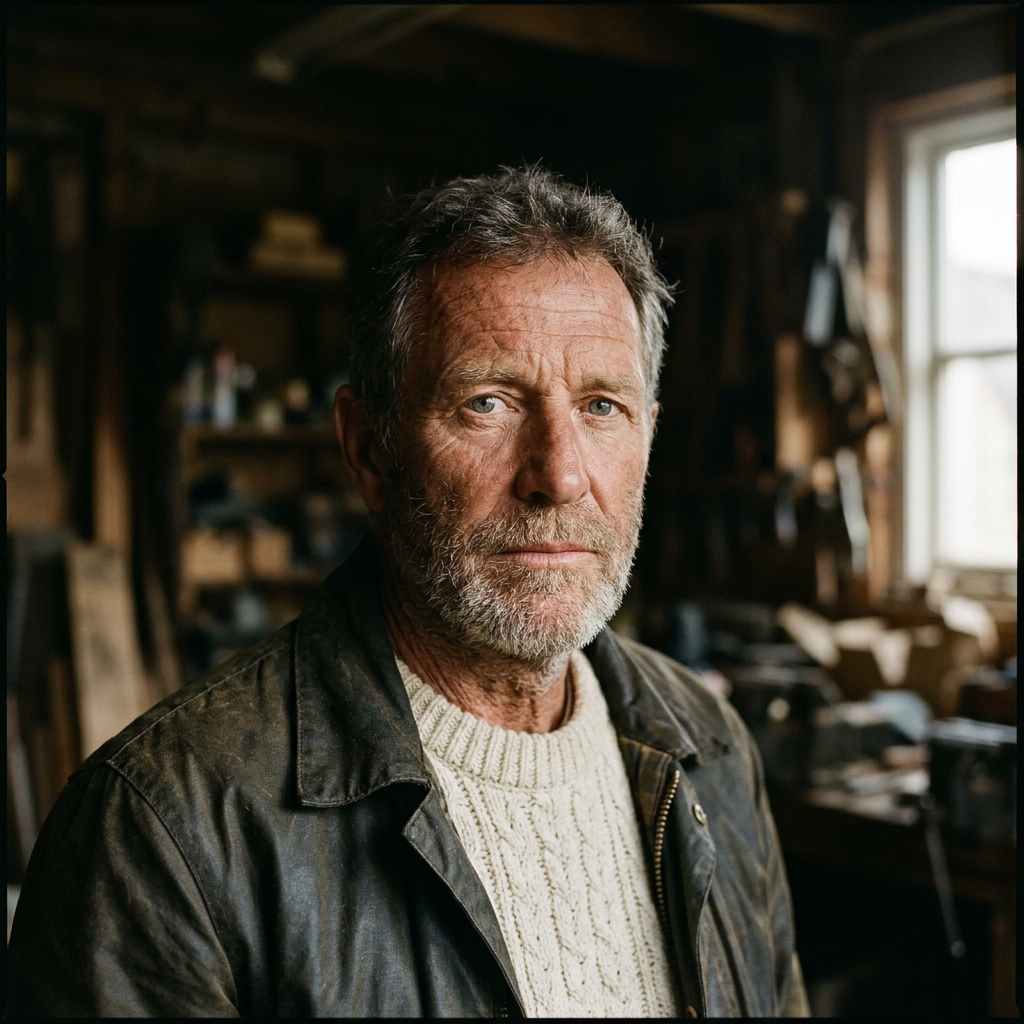
Cinematic short

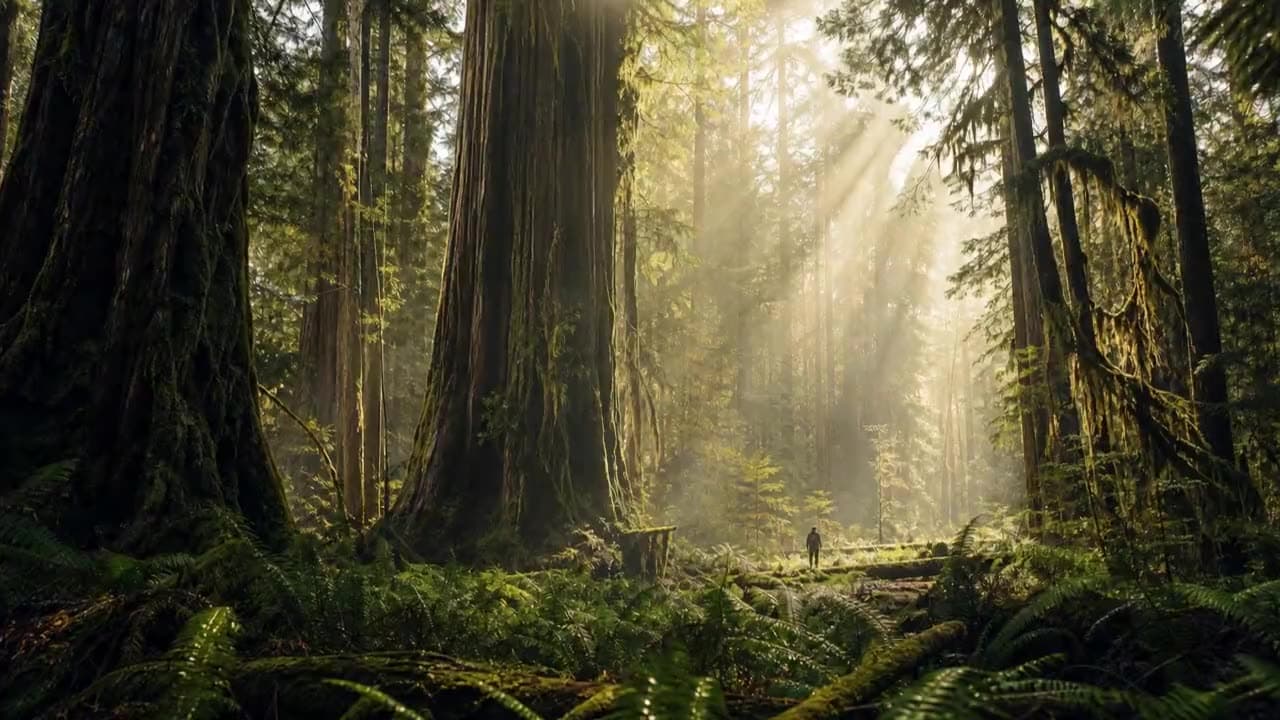
Cinematic short: A breathtaking cinematic film still, dramatic lighting, anamorphic composition, rich teal-and-orange color grade, photorealistic, movie-quality detail
Prompt

A breathtaking cinematic film still, dramatic lighting, anamorphic composition, rich teal-and-orange color grade, photorealistic, movie-quality detail

02

Bring old photos to life

Bring old photos to life: A lovingly restored vintage family portrait, warm tones, fine film grain, nostalgic and emotional, photorealistic restoration and colorization
Prompt

A lovingly restored vintage family portrait, warm tones, fine film grain, nostalgic and emotional, photorealistic restoration and colorization

Nano Banana 2 key features

Prompt-to-image generation

One prompt returns a finished frame: no canvas, no design software. Change a few words to restage the scene and re-run in seconds.

Consistent, controllable results

Aspect ratios like 1:1, 4:3, 3:4, 16:9, 9:16 fit thumbnails, posts, and print without re-cropping, and identity holds across a whole set of images.

Publish-ready resolution

Sharp detail, accurate color, no Vidney watermark. The frame you generate is the frame you ship.

Every model in one workspace

Nano Banana 2 runs text to image and image to image next to every other major image model: one workspace, one credit balance, no API keys.

What you can create with Nano Banana 2

Marketing and ad creative

Render ten ad variants in the time it took to brief one designer, then A/B test against real spend. No shoot, no studio.

Social and blog graphics

Batch a week of thumbnails, headers, and quote cards in one session, with one consistent brand look across the series.

Product and e-commerce imagery

Listing shots and lifestyle scenes from the angle that converts, fresh for every SKU instead of recycled supplier photos.

Concept art and design

Explore characters, moodboards, and key visuals in minutes. Pitch finished-looking key art before the budget is locked.

The technology behind Nano Banana 2

How the model is built and what it was trained to do, drawn from official docs and independent reviews.

Nano Banana 2 is the consumer name for Gemini 3.1 Flash Image, Google's image generation and editing model released on February 26, 2026. It is not a standalone diffusion model but a natively multimodal Gemini model that generates images inside the same system that handles text, so you can create and edit conversationally over multiple turns. A thinking mode is enabled by default, meaning the model reasons through complex prompts before rendering the final image, and it can ground generations in Google Search for real-world accuracy.

Compared with the original Nano Banana (Gemini 2.5 Flash Image), Google states the new version maintains resemblance for up to 5 characters and fidelity for up to 14 objects across generations, adds precision text rendering and translation inside images, and supports resolutions from 512px up to 4K with a wide set of aspect ratios including 21:9. The API accepts up to 10 reference images for object fidelity, and on Google's enterprise platform the model can also take video files as input to generate context-aware images such as thumbnails.

Google positions Nano Banana 2 as the general-purpose middle tier of a three-model lineup: Nano Banana Pro (Gemini 3 Pro Image) above it for complex, high-end work, and Nano Banana 2 Lite below it for maximum speed and lowest cost. Capability boundaries follow that positioning: at general availability 1K and 2K output were GA while 4K remained in preview on the enterprise platform, and independent testing finds that scenes with many subjects, intricate lighting, and fine physical detail still favor the Pro model.

Every image generated by Nano Banana 2 carries an invisible SynthID watermark, and Google pairs SynthID with interoperable C2PA Content Credentials so images can be identified as AI-generated. Google reports its SynthID verification feature has been used over 20 million times.

Sources: blog.google · google.dev · google.com · curiousrefuge.com

Who uses Nano Banana 2, and what for

Nano Banana 2 fits anyone who needs finished images without a photographer, a designer, or a stock-library subscription. Performance marketers batch ad and product visuals: a DTC team renders a dozen creative variants for one campaign and A/B tests them the same afternoon. E-commerce sellers generate listing shots, lifestyle scenes, and packaging mockups for Amazon, Shopify, and Etsy, refreshing imagery as fast as inventory turns. Content teams produce blog headers, thumbnails, and social graphics that hold a consistent brand look across a whole series. Designers and indie studios explore concept art, characters, and key visuals before committing to a full production. Brands keep one product or character identical across an entire campaign. On Vidney you run Nano Banana 2 next to every other major image model, so you pick the best one per project instead of locking into a single provider.

How to generate image with Nano Banana 2

Create AI image with Nano Banana 2 on Vidney in three steps.

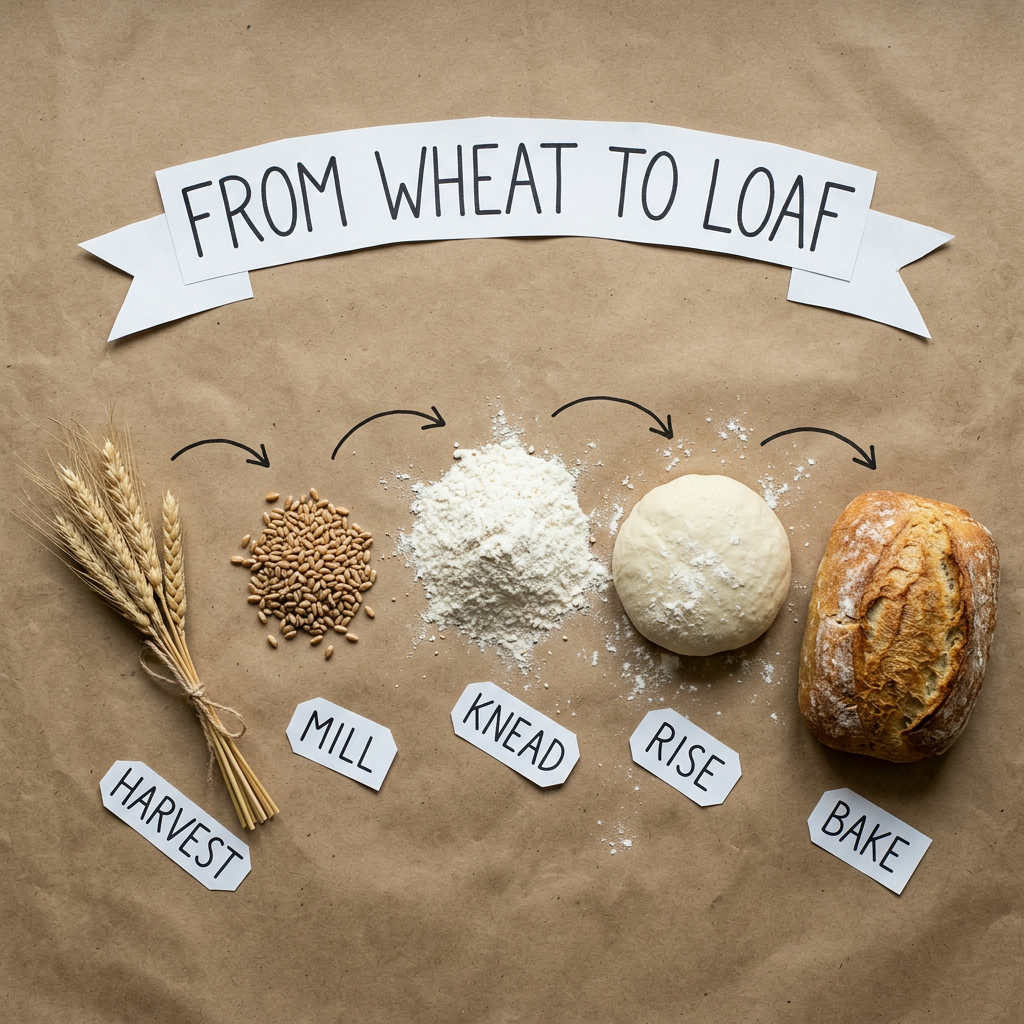
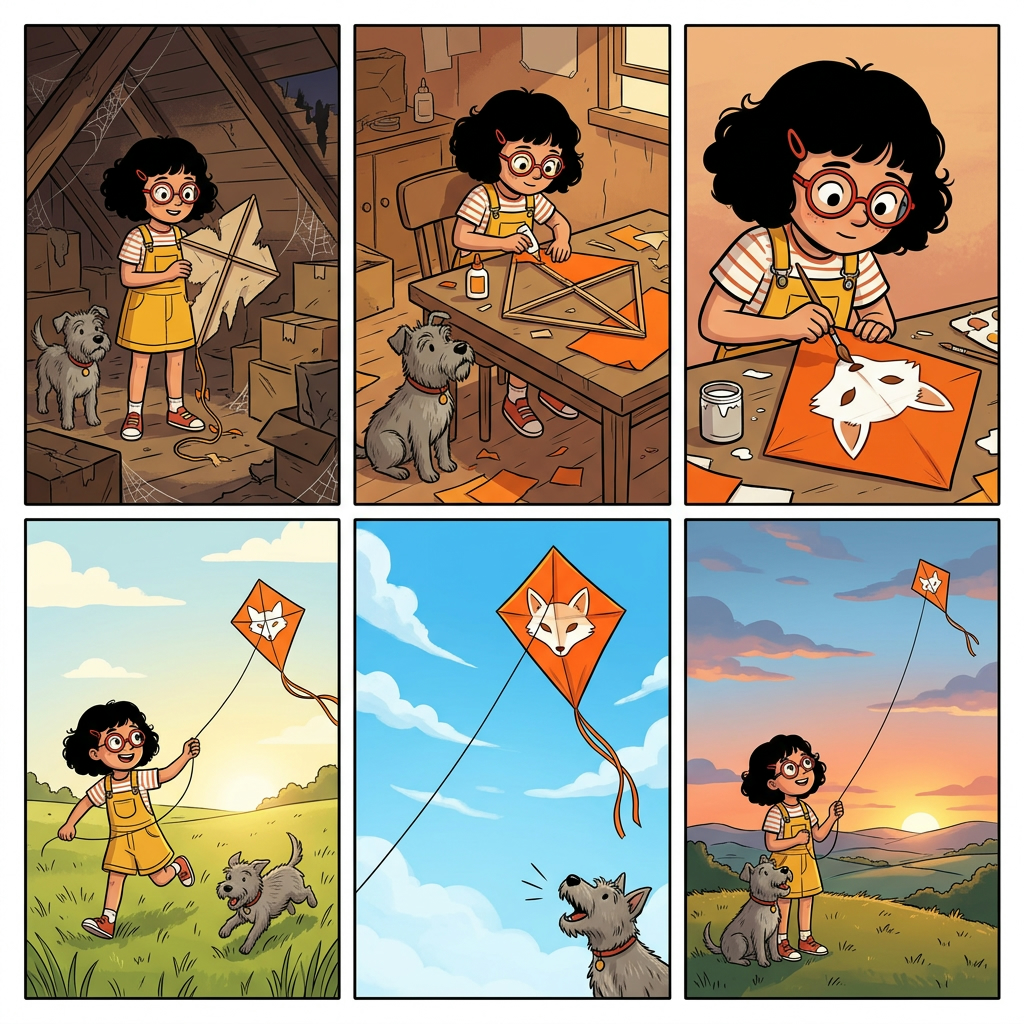
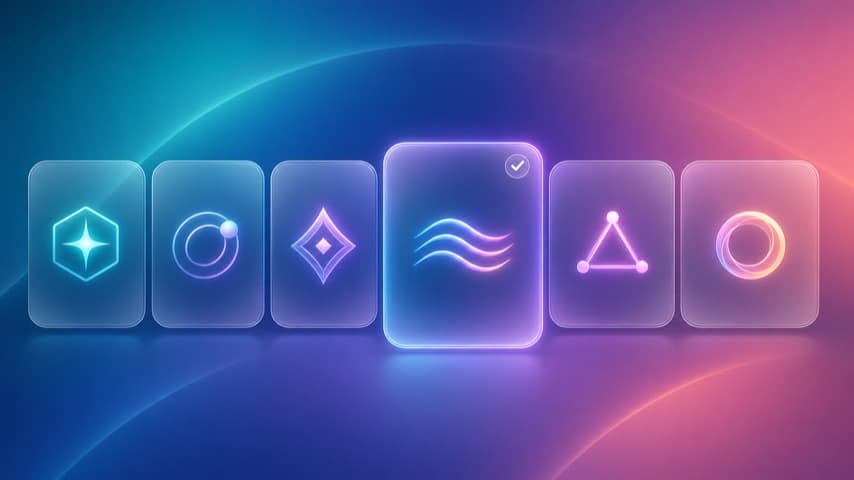
Glowing panels with one model selected from severalStreams of light forming into an emerging imageA finished image materializing from a vortex of glowing light

Nano Banana 2 vs Nano Banana Pro vs Seedream 5.0 Lite vs GPT Image 2.0

Specs side by side with similar models, all runnable on Vidney.

Nano Banana 2Nano Banana ProSeedream 5.0 LiteGPT Image 2.0
Task modesText to Image · Image to ImageText to Image · Image to ImageText to Image · Image to ImageText to Image · Image to Image
Cost9 credits per generation12 credits per generation9 credits per generation3 credits per generation

What creators say about Nano Banana 2

Recurring themes from public reviews, comparisons and creator write-ups. Both the good and the bad.

What gets praised

  • Creators consistently praise the speed: images arrive in a few seconds, which reviewers describe as turning the model into a rapid iteration machine for social content, mockups, and marketing templates.

  • Character consistency is a standout theme: testers report that a single reference photo holds up across ten or more generations, and the model keeps up to five characters recognizable across scenes for storytelling work.

  • Text rendering inside images is widely cited as best in class for a fast model, with signs, posters, and even dense infographic layouts coming out legible enough for real design use.

Common complaints

  • A common complaint is quality degradation under repeated editing: after several rounds of edits on the same image, users report faces aging, skin turning plastic-like, and features smearing or distorting.

  • Reviewers also note it still struggles with complex compositions, with small figures in crowded wide shots distorting into what one review calls crowd soup, and Nano Banana Pro remaining clearly better for multi-subject scenes and intricate lighting.

Related models

More AI image models you can run on Vidney.

Live

Generate AI image with Nano Banana Pro: text to image and image to image, all from one Vidney workspace.

12 credits per generation
Live

Generate AI image with Nano Banana: text to image and image to image, all from one Vidney workspace.

6 credits per generation

Generate AI image with Seedream 5.0 Lite: text to image and image to image, all from one Vidney workspace.

9 credits per generation
Live

Generate AI image with Seedream 4.5: text to image and image to image, all from one Vidney workspace.

12 credits per generation
Live

Generate AI image with Qwen Image: text to image and image to image, all from one Vidney workspace.

Cost shown on the generate button
MidjourneyMidjourney V7
Live

Generate AI image with Midjourney V7: text to image and image to image, all from one Vidney workspace.

6 credits per generation

Frequently asked questions

What is Nano Banana 2?

Nano Banana 2 is an AI image model you can run on Vidney. It supports text to image and image to image from a single workspace.

How much does Nano Banana 2 cost per generation?

Nano Banana 2 costs 9 credits per generation. The exact credit cost is shown on the generate button before you run it.

What aspect ratios does Nano Banana 2 support?

Nano Banana 2 supports the following aspect ratios: 1:1, 4:3, 3:4, 16:9, 9:16.

Is Nano Banana 2 free to use?

You can start with Nano Banana 2 for free on Vidney using your sign-up credits, no card required to try it. After that each run costs 9 credits per generation, and the exact cost is always shown on the generate button before you spend a credit.

Can I use Nano Banana 2 images commercially?

Yes. The images you generate with Nano Banana 2 on Vidney are yours to use in commercial projects: ads, social posts, client work, and product content. You keep the output; Vidney only handles generation and storage.

Does Nano Banana 2 add a watermark?

No. Nano Banana 2 images generated on Vidney are delivered clean, with no Vidney watermark, ready to publish or hand to a client as-is.

What are the best Nano Banana 2 alternatives?

The closest Nano Banana 2 alternatives on Vidney are Nano Banana Pro, Seedream 5.0 Lite, and GPT Image 2.0. They all run in the same workspace from one credit balance, so you can run the same prompt on each and compare the results side by side.

Do I need an API key or a provider account to use Nano Banana 2?

No. Vidney runs Nano Banana 2 for you, so there are no API keys to manage and no separate provider account to set up.

Create with Nano Banana 2 now