
Problem → solution
Name the problem, then the product. 8 seconds.
“Skin looking dull? Meet Solvane Vitamin C Serum. Two drops, a fresh glow, zero stickiness. Tap the link!”
For shops and brands
Upload one product photo, pick an AI presenter and write one line in English or Spanish. You get a vertical video ad with sound in which the presenter holds your product and says it.
Every product below is made up, and every presenter is AI-generated. Each ad started as a plain product photo and one typed line. Tap the speaker to hear it.
Presenters and voices are AI-generated. The products in these examples are made up.
Each hook is a tested setup for the first frame and the presenter’s action. Pick one in the panel, write the line and create; switch the hook and create again for the next version.
Name the problem, then the product. 8 seconds.
“Skin looking dull? Meet Solvane Vitamin C Serum. Two drops, a fresh glow, zero stickiness. Tap the link!”
The presenter lifts your product out of a plain box. 8 seconds.
“Let's open up the Brewlo Cold Brew bag. Smooth, chocolatey, never bitter. Just add cold water. Link below!”
Three short reasons in a row. 10 seconds.
“Three reasons to try Nutrovi Vanilla Protein. One: it mixes smooth, no clumps. Two: real vanilla taste. Three: a big tub that lasts. Link below!”
Your photo goes in as a plain packshot. The presenter comes out holding the product in their own room, label to the camera, saying your line with lips that follow the words. In our 24 test ads the product kept its shape and colors in 20; small print on labels often changes, as it does in any AI video at this size.
免費開始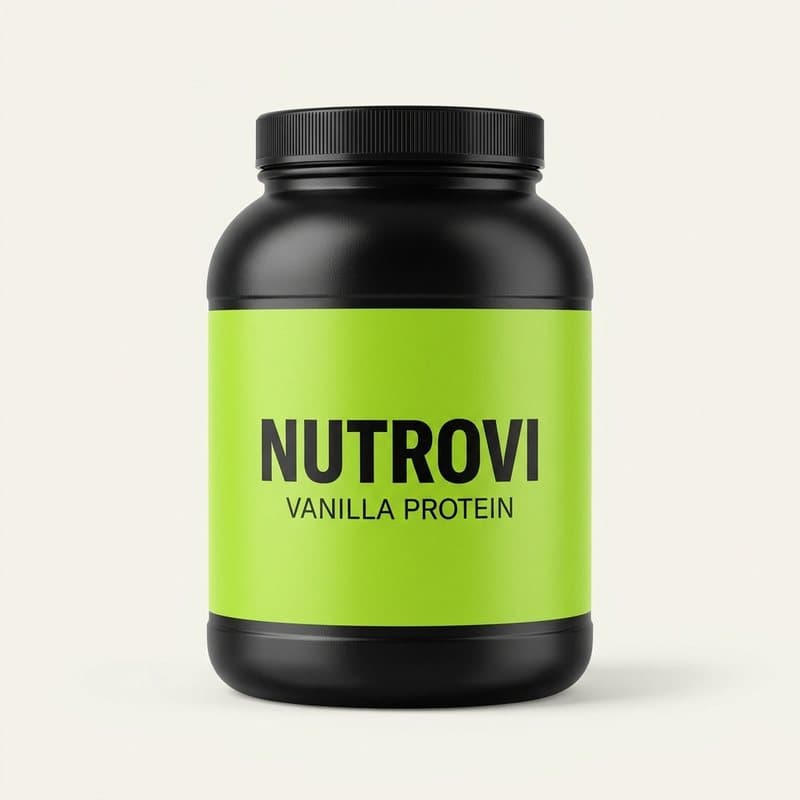 Your product photo
The presenter speaks English or Spanish. The ad here is in Spanish. In our tests 11 of 12 English and Spanish ads were usable on the first try. Portuguese and Korean are switched off for now: in testing, Portuguese read English-looking brand names the Portuguese way, and Korean had more picture failures. We will switch them on once they pass.
免費開始Women and men from their 20s to their 60s, each in their own room. None of them is a real person, and none is based on one.
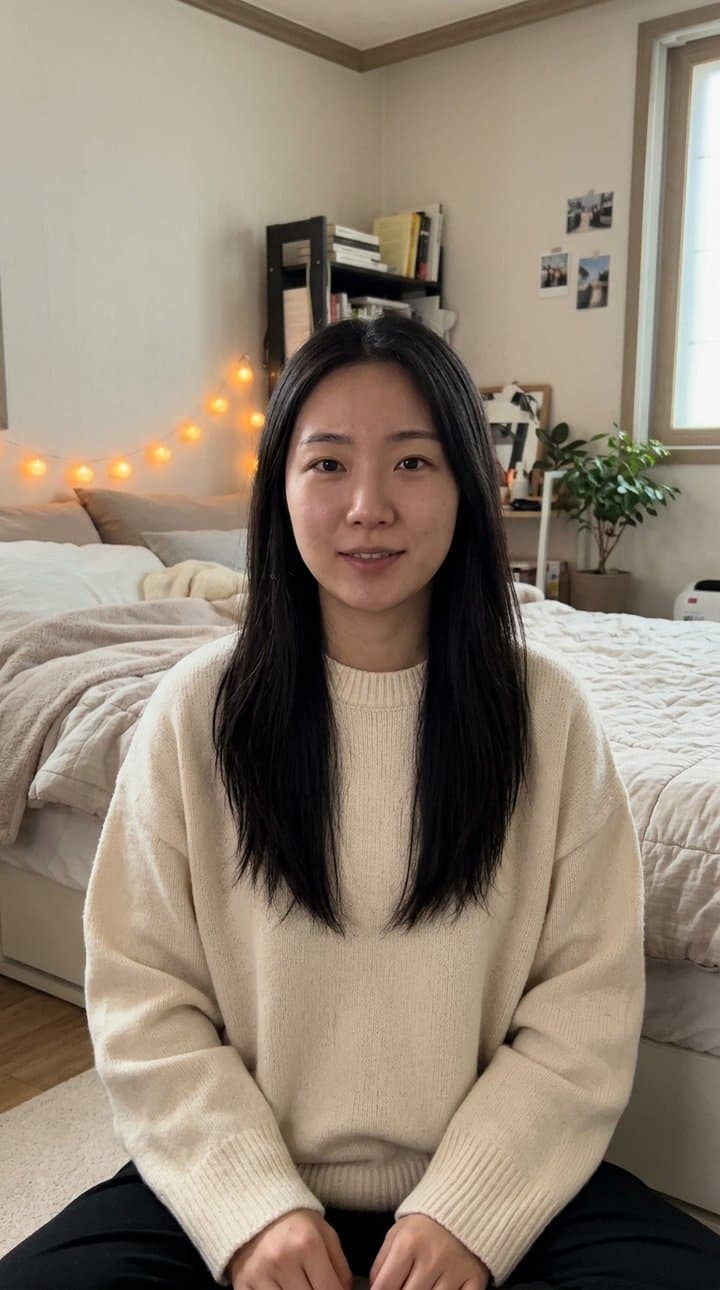
Mina, 20s, bedroom
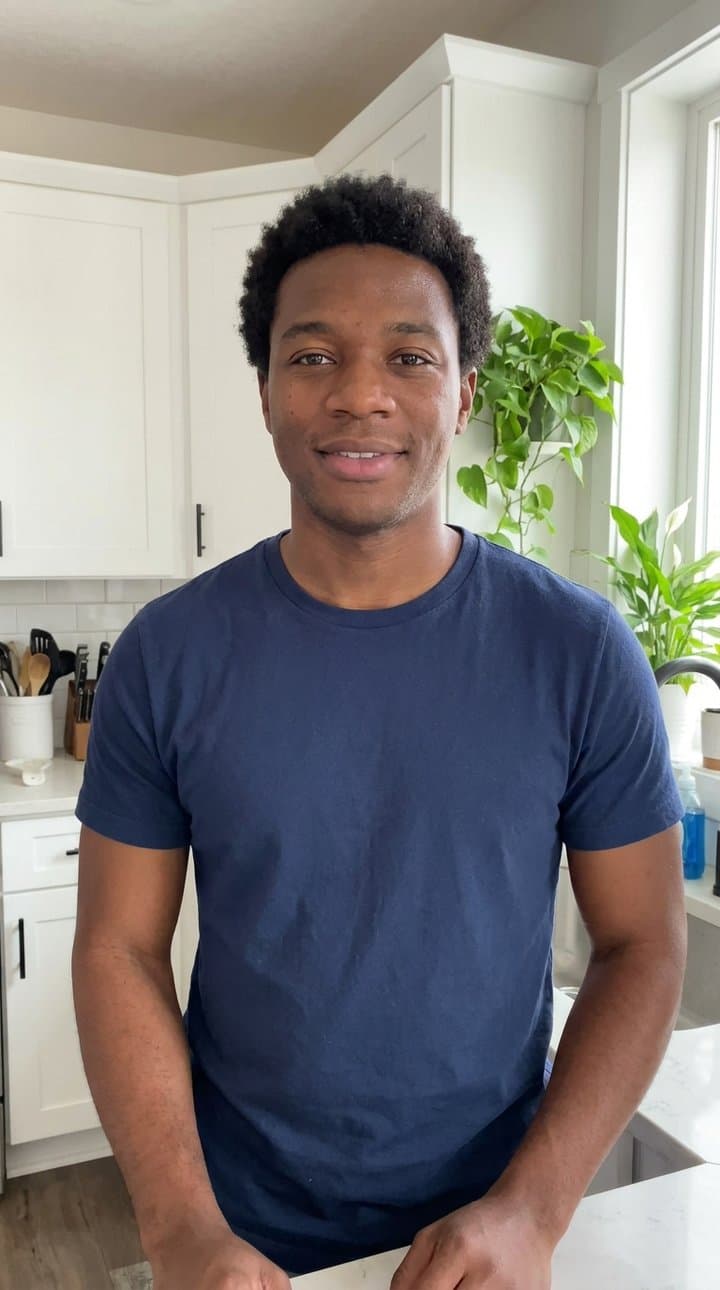
Jordan, 20s, kitchen
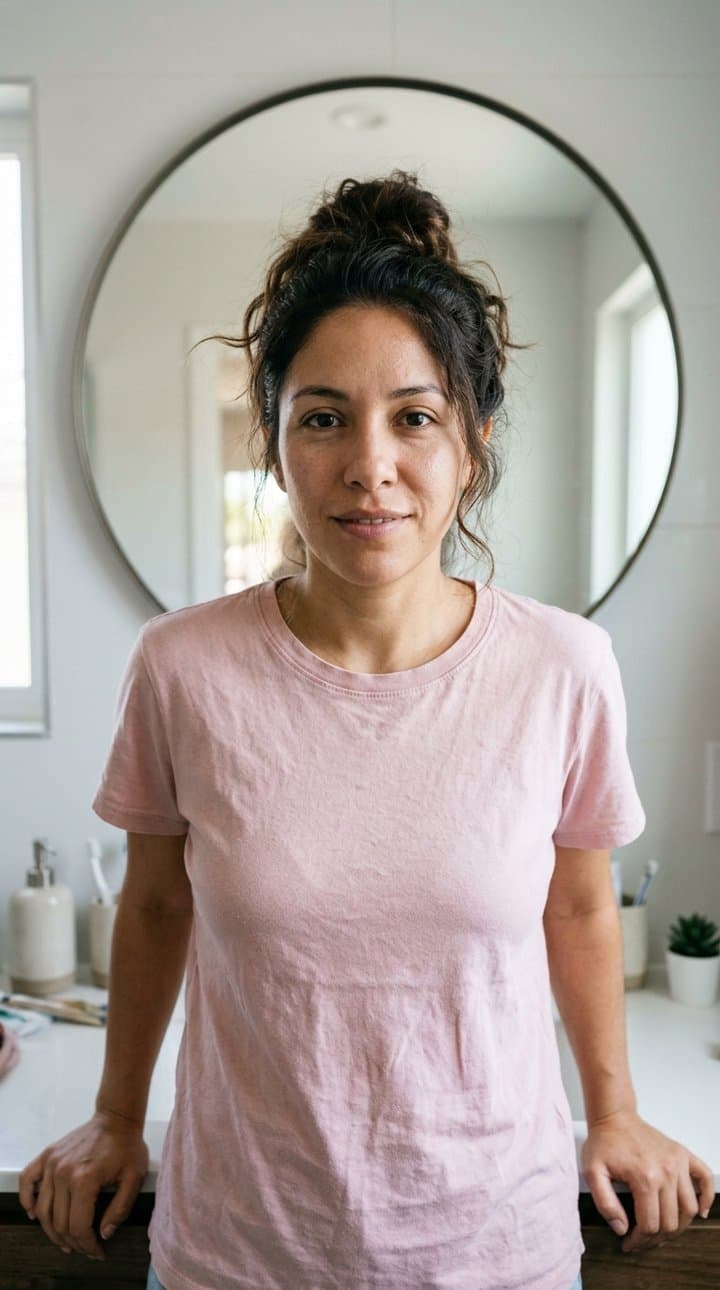
Sofia, 30s, bathroom

Rafael, 30s, living room

Karen, 40s, home office

Arjun, 50s, garden
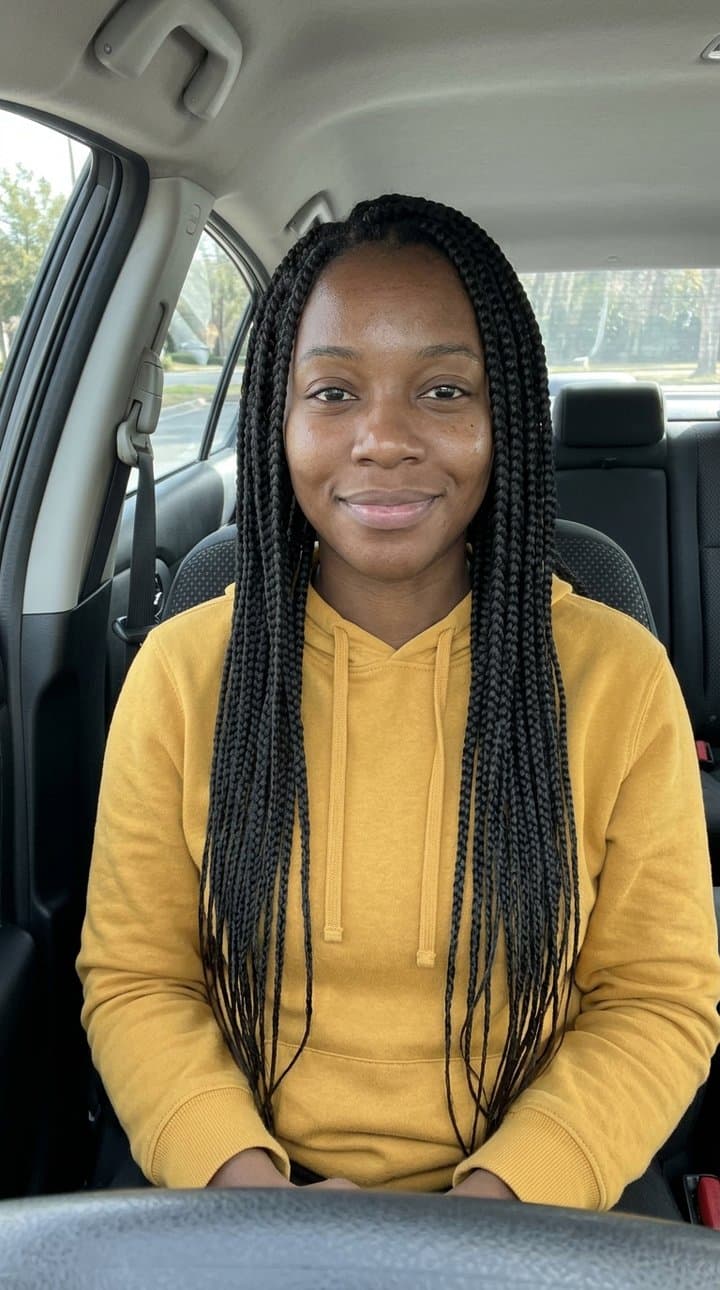
Amara, 20s, car

Jun, 20s, desk

Linda, 60s, kitchen
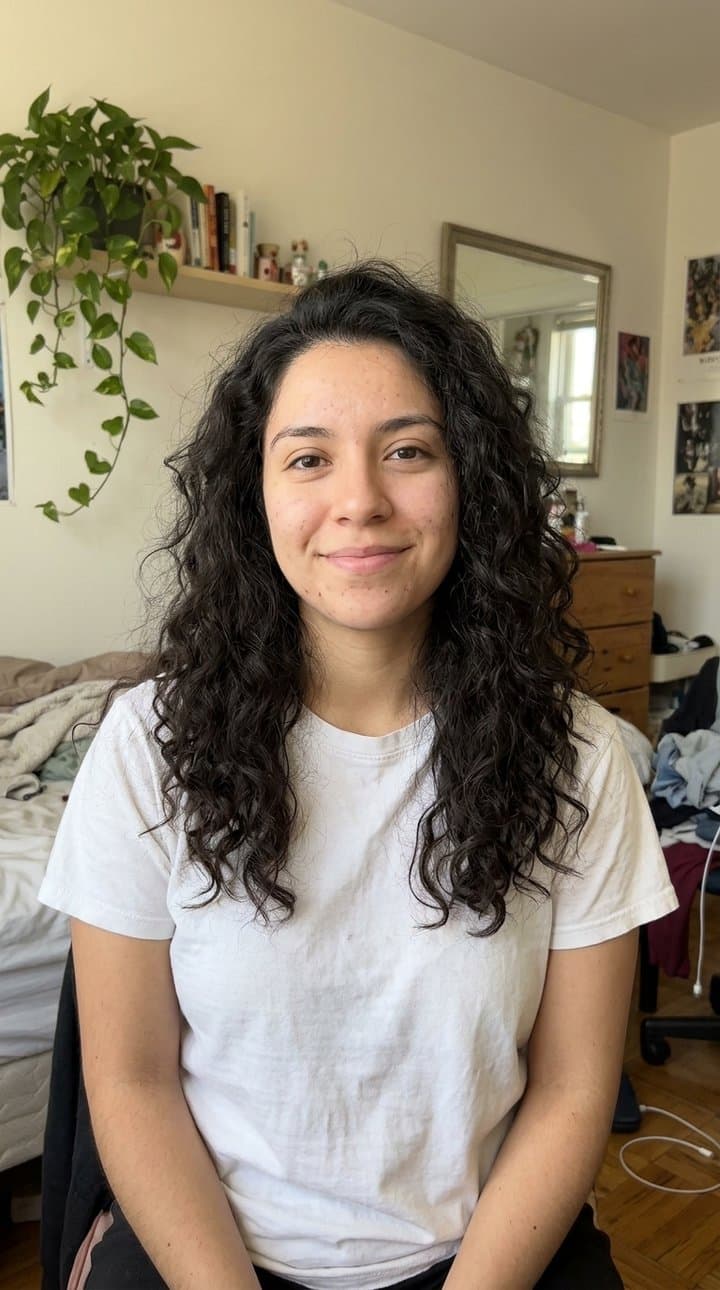
Valeria, 20s, bedroom

Mark, 40s, balcony

Curtis, 50s, living room
Three steps. Each ad is made in two passes: the photo first, then the video.



UGC means user-generated content: the handheld, talk-to-camera videos people post about products. An AI UGC video generator makes that kind of ad without filming anyone. Here you upload one product photo, pick one of twelve AI presenters and write one line in English or Spanish. You get a vertical 9:16 video of 8 or 10 seconds with sound, in which the presenter holds your product and says your line.
Each ad takes two steps: placing your product in the presenter’s hand costs 3 credits, and the talking video costs 16 credits for 8 seconds or 20 credits for the 10-second three-reasons hook. The total is on the button before you confirm. New accounts get free credits; the amount depends on your country. Credits come with a subscription plan; the cheapest, Starter, is $9 a month.也可以不訂閱、一次付清:一部影片 $2.99,三部 $5.99,這些點數 12 個月內有效。
No. All twelve presenters are AI-generated: they are not real people and are not modeled on anyone, and the voice is generated with the video. Label the ad as AI-generated wherever your ad platform asks for it.
No. Write lines that show and describe the product, not personal experience. The presenter does not exist, so a line like “I used this for 30 days and my skin cleared up” would be a fake testimonial. In the US, the FTC rule on consumer reviews and testimonials, in force since October 2024, bans testimonials from people who do not exist. The three hook templates are written as product demos for that reason. Only make claims you can back up.
English and Spanish for now. In our 24 test ads, six per language, 5 English and 6 Spanish ads were usable on the first try. Portuguese (3 of 6) and Korean (3 of 6) did worse and are switched off until we fix them: in Portuguese, brand names that look English were read the Portuguese way, and in Korean three ads had picture problems and the word 링크 (link) was mispronounced every time. Other languages have not been tested yet.
Not every one. Of 24 test ads, 17 were usable on the first try; of the 12 in English and Spanish, the two languages available now, 11 were. Four misses were picture problems: the product changed shape, material or label, or floated, mostly when the presenter put it down or let go of it. Three were Portuguese brand names read wrong, which is why Portuguese is switched off. In unboxing ads the presenter often puts the product back in the box before lifting it out. If you get a miss, create it again; each try costs the same. In our retries, a picture miss came out right the second time.
One product, alone, sharp and well lit, label facing the camera, on a plain or simple background (JPG, PNG or WebP). Small products such as lip gloss or serum bottles come out small in the hand. Vertical text on a bottle and clear materials were the hardest to keep exact.
Yes. The videos are yours to use in your ads, subject to the source model terms. Downloads on the free plan carry a small Vidney watermark; on any paid plan they download clean. Videos are 480p (496 by 864 pixels), which suits phone feeds but is not full HD.