
Seedance 2.5 vs 2.0 : la vraie mise à jour, c'est la liberté d'entrée, et la facture triplée dont personne ne parle
Publié 2026-08-10 · Données mesurées 2026-08-08
Nous exploitons un service de génération vidéo multi-modèles, ce qui veut dire que nous payons nous-mêmes la facture de chaque génération, pour chaque modèle mis en ligne. Avant d'ajouter Seedance 2.5 au catalogue à côté de Seedance 2.0, nous avons passé les deux dans le même banc de mesure que celui qui décide de notre routage. Cet article, c'est cette donnée, publiée telle que mesurée.
Tout ce qui suit provient de générations API directes entre le 2026-08-08 et le 2026-08-10, facturées sur notre propre compte. Quand nous n'avons qu'une seule génération, nous le disons. Quand un chiffre nous a surpris, nous l'avons refait avant d'y croire.
TL;DR
- À longueur égale et sur la route la moins chère mesurée pour chacun, Seedance 2.5 coûte environ 1.7 fois Seedance 2.0 par clip.
- La vraie montée en gamme n'est pas la qualité par seconde, c'est la liberté d'entrée : 2.5 accepte jusqu'à 30 images de référence, 10 vidéos de référence et 10 pistes audio de référence, et monte jusqu'à 30 secondes de sortie. 2.0 plafonne au contrôle de la première et de la dernière image.
- La vidéo de référence est facturée comme la vidéo de sortie, seconde pour seconde. Attachez un clip de 12.6 s à une génération de 5 s et vous payez 17.6 secondes facturées. Nous avons confirmé le mécanisme, pas seulement le prix : deux générations avec le même clip de référence à deux longueurs de sortie, plus le fournisseur qui déclare lui-même
billing_rule: "per_second"dans sa réponse de création. - Si votre charge se résume à du texte vers vidéo de 5 s, 2.0 reste le choix rationnel par défaut. 2.5 justifie son surcoût à la seconde où un deuxième média d'entrée arrive dans le brief.
Ce qui a vraiment changé
| Seedance 2.0 | Seedance 2.5 | |
|---|---|---|
| Texte vers vidéo | oui | oui |
| Image vers vidéo | première image, ou première et dernière | oui, plus référence multi-images |
| Images de référence | 2 (première et dernière) | jusqu'à 30, adressables par leur rang |
| Vidéo de référence | non | jusqu'à 10 clips |
| Audio de référence | non | jusqu'à 10 pistes |
| Longueur de sortie maximale | 15 s | 30 s |
| Récit en plusieurs plans | non | oui |
Les entrées de référence sont adressables par leur rang : le prompt parle de « image 3 » ou « vidéo 1 », et le modèle les résout selon l'ordre de soumission. L'ordre des médias fait donc partie du prompt, ce qui a des conséquences produit si vous construisez par-dessus (nous avons dû repenser notre interface d'upload autour de ce point).
Mesuré : coût par génération
Même prompt, 5 secondes, 480p, un clip par génération. Les prix sont ce que notre compte a réellement payé, en USD, le 2026-08-08.
| Modèle | Route A | Route B |
|---|---|---|
| Seedance 2.0 texte vers vidéo | $0.725 | non remesuré |
| Seedance 2.5 texte vers vidéo | $1.21 | $1.718 |
| Seedance 2.5 image vers vidéo | $1.21 | $1.718 |
| Seedance 2.5 avec une vidéo de référence de 12.63 s | $5.507 | $3.713 |
Deux choses méritent l'attention.
D'abord, les deux routes de 2.5 ne sont pas d'accord sur le mode qui coûte le moins cher. La route A est 29% moins chère en texte vers vidéo pur, mais 48% plus chère dès qu'une vidéo de référence est attachée. Si vous envoyez tout le trafic Seedance 2.5 chez un seul fournisseur parce qu'il a gagné la comparaison texte vers vidéo, vous surpayez chaque travail avec vidéo de référence. Nous avons fini par router par mode, pas par modèle.
Ensuite, la génération avec vidéo de référence coûte 2.2 à 3.2 fois la génération simple. Ce n'est pas un supplément tarifaire, c'est de l'arithmétique, ce qui nous amène à la partie que nous n'avons trouvée documentée nulle part.
Le mécanisme de facturation de la vidéo de référence, établi en deux générations
La page tarifaire du mode vidéo de référence dit « à la seconde » sans préciser lesquelles. La sortie seule ? La sortie plus l'entrée ? Un supplément forfaitaire ? La différence décide si un service comme le nôtre sous-facture de moitié, alors nous l'avons mesurée.
Méthode : même clip de référence de 12.67 s, même prompt, même résolution, deux générations, longueur de sortie 5 s puis 10 s. Lecture du solde du compte juste avant et juste après chaque appel de création.
| Sortie | Facturé | Secondes facturées | Tarif par seconde |
|---|---|---|---|
| 5 s | 216.5561 crédits | 17.67 | 12.2556 |
| 10 s | 277.7302 crédits | 22.67 | 12.2510 |
Le tarif par seconde concorde entre les deux générations à 0.04% près, mais uniquement si l'on compte les secondes facturées comme la sortie plus l'entrée de référence. La réponse de création du fournisseur le déclare aussi d'elle-même, ce que nous n'attendions pas :
"usage": { "billing_rule": "per_second", "credits_reserved": 277.7302 }
En dérivant le tarif de la seconde de référence indépendamment, on obtient 1.0024 fois le tarif de la seconde de sortie. Seconde de référence et seconde de sortie valent le même prix.
Un pli supplémentaire : le tarif par seconde change selon le mode. Chez le même fournisseur, le texte vers vidéo pur est à $0.3435 par seconde de sortie tandis que le mode vidéo de référence est à $0.2105 par seconde facturée. Le mode référence applique un tarif remisé à un nombre de secondes plus grand.
Conséquence pratique : une génération de 5 s avec un clip de référence de 12.6 s facture 17.6 secondes. Si vous facturez vos utilisateurs sur la seule longueur de sortie, vous absorbez 54% de sous-facturation sur ce travail. Nous avons reconstruit notre tarification pour compter les secondes d'entrée côté serveur (sondées avec ffmpeg, jamais reprises du client) avant d'activer le mode.
Ce que la génération multi-références produit vraiment : trois exemples
Les chiffres décrivent un coût. Ils ne montrent pas si le modèle suit un découpage. Nous avons généré trois clips d'exemple par la chaîne de référence, et nous publions ici les entrées, les prompts complets (sur chaque page modèle) et les sorties brutes, pour que vous puissiez confronter notre lecture à la vôtre.
Génération 1 : un plan-séquence de 30 secondes à partir de quatre photos produit
Quatre images de référence en entrée : vue de face, détail de profil, boîtier de charge et un présentoir vide. Ce clip est une reprise, et la première tentative ratée nous a appris davantage que la réussie : notre premier prompt scénarisait quatre temps horodatés (« à 6 secondes le couvercle s'ouvre »), et le modèle a répondu par sept secondes d'ouverture inertes, un couvercle qui se déformait au lieu de pivoter, et un produit incapable de tenir sa forme. La revue image par image l'a rejeté. Le prompt révisé a ramené quatre temps à trois mouvements partageant un seul mouvement de caméra continu, et ajouté des contraintes fermes contre les changements de forme.
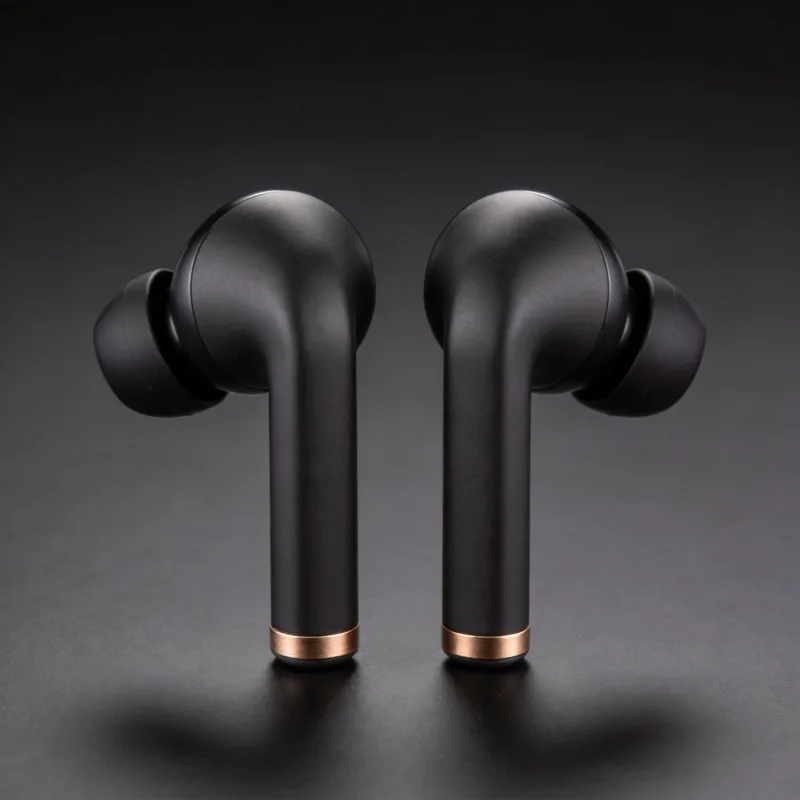
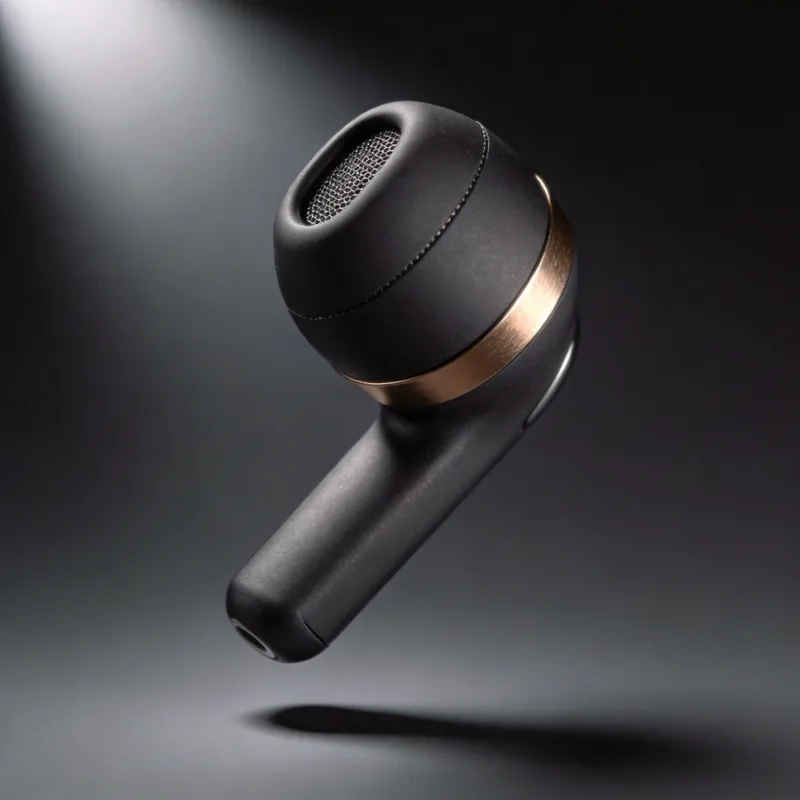


Revue image par image de la reprise (2026-08-19) : le couvercle se lève sur sa charnière réelle pendant que le boîtier reste en place, l'écouteur garde une forme constante de la levée jusqu'à la dernière image, et l'orbite, la montée et le recul se lisent comme un seul plan, sans temps mort ni coupe. La leçon transposable de la première tentative ratée : les listes de temps horodatés invitent aux changements d'état brutaux ; moins de mouvements partageant un seul mouvement de caméra continu, plus des contraintes explicites contre la déformation, voilà ce qui a tenu un plan-séquence de 30 secondes.
Génération 2 : un personnage assemblé à partir de quatre sources
Entrées : une planche de personnage en pied, un gros plan de visage, un à-plat de la veste et un décor de temple vide. La sortie devait garder les quatre cohérents en mouvement.
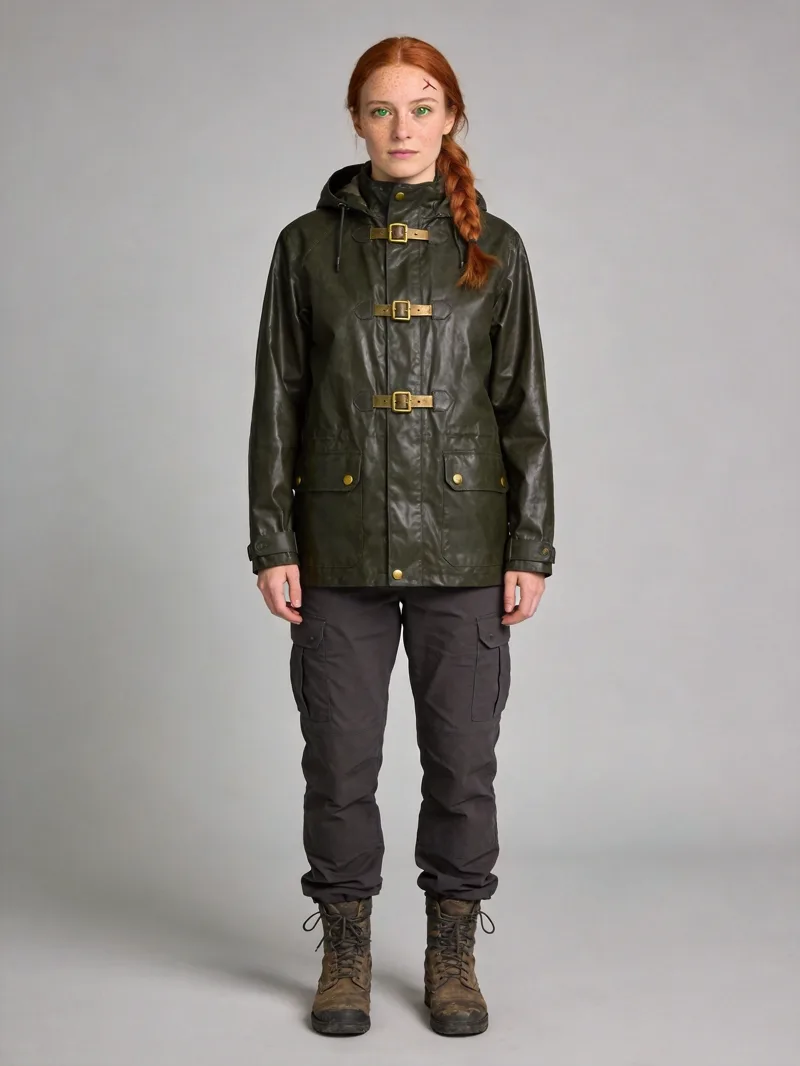


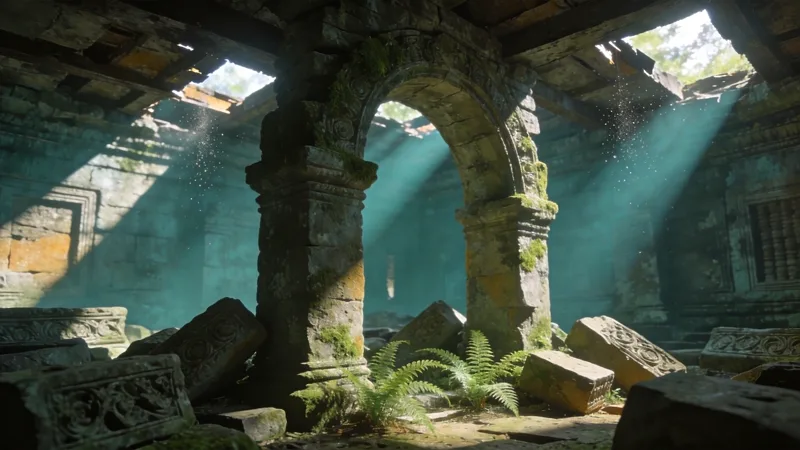
Ce qui a tenu d'une image à l'autre dans notre revue de cette génération : la tresse, les taches de rousseur, les boucles et les coutures de la veste, et les faisceaux de lumière de l'arche venus du plan de décor. Le temps scénarisé du regard levé tombe autour de la marque des 5 s. C'est une génération, pas un banc d'essai de cohérence ; elle est publiée comme preuve de ce qu'une seule passe peut tenir.
Génération 3 : mouvement de caméra transféré depuis une vidéo de référence
Le jeu de référence tenait ici en une vidéo (un simple arc de 180 degrés autour d'un cube gris, 8.2 s, facturée en secondes d'entrée de référence selon le mécanisme ci-dessus) et un fixe de théière. La consigne : copie le mouvement, remplace le sujet, ne bouge rien d'autre.

La sortie tient un arc à hauteur constante autour de la théière, à un rythme proche de celui de la référence, et le seul mouvement ajouté est la vapeur demandée par le prompt. L'arc se lit comme les 180 degrés scénarisés, à peu près. Transfert de mouvement et remplacement de sujet ont fonctionné du premier coup sur cette génération.
Mesuré : latence
Trois générations pour chaque texte vers vidéo, une seule pour chaque image vers vidéo, temps réel entre la création et la sortie terminée, 2026-08-08.
| Modèle, mode | Générations (secondes) |
|---|---|
| Seedance 2.5 texte vers vidéo, route A | 92 / 149 / 187 |
| Seedance 2.5 texte vers vidéo, route B | 132 / 135 / 274 |
| Seedance 2.5 image vers vidéo, route A | 317 |
| Seedance 2.5 image vers vidéo, route B | 149 |
| Seedance 2.0 texte vers vidéo | ~220 (deux générations) |
La dispersion compte plus que la médiane. La génération la plus rapide de 2.5 a battu tout ce que nous avons mesuré dans la famille Seedance, et la plus lente a duré trois fois plus. Si vous affichez une estimation à vos utilisateurs, budgétez la dispersion, pas le scénario idéal. La génération image vers vidéo à 317 secondes sur la route A s'est révélée assez constante d'un contrôle à l'autre pour que nous routions l'image vers vidéo ailleurs.
Là où 2.0 reste le bon choix
Une comparaison honnête doit inclure cette section.
- Texte vers vidéo simple de 5 s : 2.0 livre à 60% du prix le plus bas mesuré pour 2.5. Si le brief ne comporte aucun média de référence, le surcoût ne vous achète rien.
- Morphs entre première et dernière image : le contrat à deux images par position de 2.0 est mature et a survécu à nos tests de fumée en production depuis juin. 2.5 peut exprimer la même chose via sa liste de références, mais c'est un chemin plus récent, avec moins de kilométrage.
- Latence prévisible : les deux générations mesurées de 2.0 sont tombées à quelques secondes l'une de l'autre. La dispersion de 2.5 est de 2 à 3 fois.
Limites, pour que vous pesiez tout cela correctement
- Les échantillons sont petits : trois générations par route en texte vers vidéo, une par route en image vers vidéo, deux pour l'expérience de facturation. Ce sont des données de décision de routage, pas un article de benchmark.
- Tous les coûts de 2.5 ont été mesurés en 480p et de 5 à 10 secondes. Nous n'avons pas mesuré le plafond de 30 secondes.
- Les prix sont ce que des routes API agrégées ont facturé à notre compte aux dates indiquées. Les tarifs entreprise en direct peuvent différer. Les fournisseurs changent leurs prix sans préavis.
- Nous n'avons pas mené de comparaison qualitative contrôlée. Cet article couvre le coût, la latence et la mécanique de facturation, c'est-à-dire ce qui se mesure sans jury.
Méthode
Toutes les générations passent par le même banc que celui de nos décisions de routage : appels HTTP directs à l'API de tâches de chaque fournisseur, sans couche SDK, enveloppes de réponse journalisées brutes. Les coûts sont calculés à partir des écarts de solde lus juste avant et juste après chaque appel de création, pas depuis des grilles tarifaires. La latence est le temps réel entre la création de la tâche et le premier sondage qui renvoie une sortie terminée. L'expérience de facturation de la vidéo de référence est décrite plus haut.
Les deux modèles sont en ligne sur Vidney : Seedance 2.5 et Seedance 2.0. Nous routons chaque mode vers le fournisseur qui a le mieux mesuré pour ce mode, ce qui est la raison d'être entière de ces données.
Les 2 modèles de cet article, sur Vidney
Tous les modèles de cet article, un seul atelier
Même atelier : changez de modèle, relancez le prompt, comparez côte à côte.